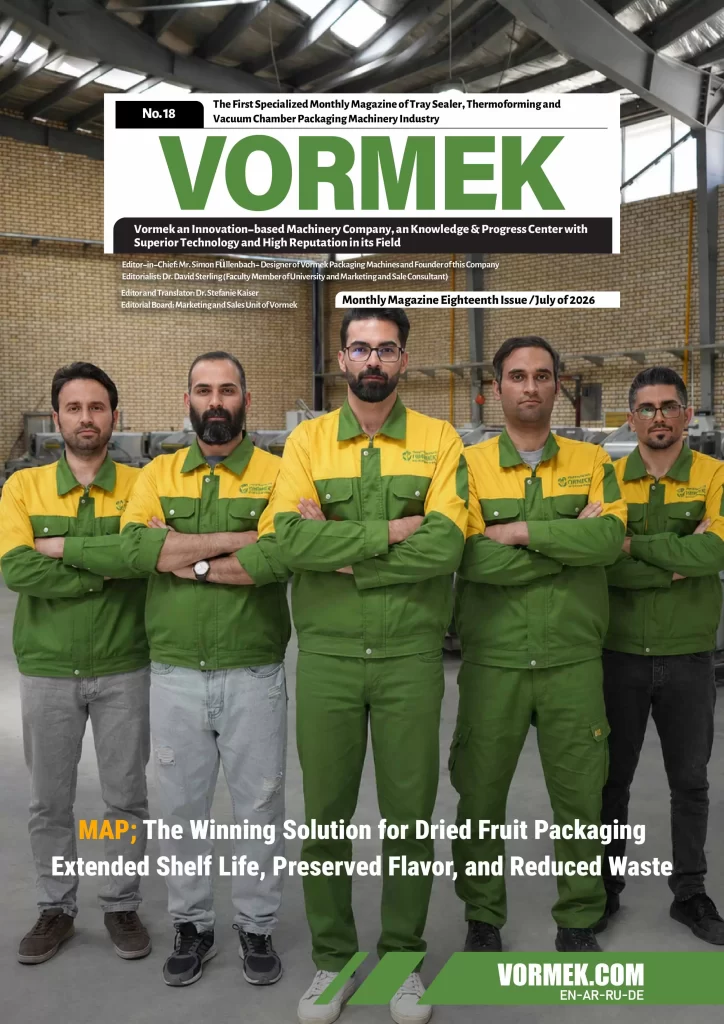
Dried Fruit Packaging: 7 Incredible Solutions for 2026
Table of Contents
The Evolution of the Packaging Supply Chain
Dried Fruit Packaging has evolved into one of the most critical pillars of the food product supply chain in recent years[cite: 4]. The methods used directly influence the preservation of freshness during storage and visual appeal on retail shelves[cite: 4]. According to the industry insights found in No 18th.pdf, proper systems significantly reduce contamination risks, thereby directly impacting consumer health and satisfaction[cite: 4].
Manufacturers can no longer rely on simple, outdated methods to stay competitive. Today, customers demand hygiene, extended shelf life, and ease of transport[cite: 9]. Upgrading to modern machinery is now a fundamental requirement for maintaining brand loyalty and increasing the overall value of the product[cite: 4].

Overcoming Major Production Challenges
Once the drying process is complete, producers face several severe challenges that can destroy commercial value[cite: 7]. First, the oxidation of natural fats leads to rancidity, unpleasant odors, and a complete loss of the original flavor[cite: 7]. Second, moisture absorption causes products to become unpleasantly sticky, soft, and highly susceptible to mold growth[cite: 7].
Furthermore, oxygen-rich environments encourage infestations by storage pests like beetles, moths, and mites[cite: 7]. To combat these issues, high-precision equipment is required to ensure airtight, leak-free sealing[cite: 7]. Maintaining strict final moisture control, usually below 20%, is crucial to preventing stickiness[cite: 7].
Advanced Machinery: The Gosealer-VTS200
Finding the perfect balance between technological capabilities and reasonable investment costs is vital for business growth[cite: 5]. The Gosealer-VTS200 semi-automatic tray sealer has been engineered precisely to answer this dilemma[cite: 5]. This machine delivers unprecedented flexibility by providing three distinct packaging methods within a single, unified system[cite: 5].
The first method is standard heat sealing, which applies heat and pressure to seal the film over the tray for everyday items with shorter shelf lives[cite: 5]. The second is vacuum sealing, a process that fully evacuates air to inhibit spoilage microorganisms by removing oxygen[cite: 5]. The most advanced feature is its ability to perform Modified Atmosphere Packaging, injecting a protective gas mixture after complete air evacuation[cite: 6].
The Power of MAP Technology
Modified Atmosphere Packaging (MAP) is widely considered the winning solution for preserving sensitive, high-value products[cite: 6]. By replacing the package’s internal air (which naturally contains about 21% oxygen) with high-purity nitrogen gas, MAP effectively stops oxidation[cite: 7]. This technique eliminates the need for chemical fumigants to fight storage pests[cite: 7].
Proper application of MAP can astonishingly extend product shelf life from merely a few months to more than a full year[cite: 7]. Nitrogen acts as an inert gas that minimizes oxidation, while carbon dioxide serves as a primary antimicrobial agent inhibiting molds and bacteria[cite: 13]. Utilizing high-barrier packaging films is essential here, as they prevent oxygen ingress and maintain the highly controlled internal atmosphere[cite: 13].
Case Study: Arcadia’s Production Success
Arcadia, a premium dried fruit producer, provides a stellar example of high-efficiency production powered by advanced packaging technology[cite: 14]. Producing roughly 20,000 packages daily, the company utilizes cutting-edge tray sealing machinery to meet immense market demands[cite: 14]. For smaller packages, Arcadia utilizes a combination of vacuum sealing and nitrogen gas injection to maintain texture and prevent discoloration[cite: 14].
This strategic integration has lengthened their product shelf life from a standard 6 months to over 2 years[cite: 14]. Not a single return has been reported regarding broken seals or damaged goods, highlighting the stability of these modern machines[cite: 14]. The impressive results prove that proper execution increases overall profit margins and consumer trust[cite: 14].
Essential Criteria for Equipment Selection
Selecting the right automatic tray sealer involves evaluating much more than just price and production capacity[cite: 11]. A robust, stainless-steel frame is the absolute first indicator of quality, as it prevents operational vibrations and maintains component alignment[cite: 11]. Furthermore, a strong structure ensures perfect jaw closure, preventing incomplete vacuums and microscopic gas leaks[cite: 10].
Additional vital features include intelligent temperature control via a PID system, which guarantees uniform seals and energy efficiency[cite: 11]. Standardized electrical panel placement and advanced automation via an industrial PLC ensure seamless coordination[cite: 11]. Integrating safety sensors and emergency stops ensures maximum operator protection, aligning with rigorous USDA and international safety guidelines.
Industry Trends and Future Outlook
The global packaging sector is rapidly shifting from purely efficiency-driven models to resilient, sustainable ecosystems[cite: 15]. Events like EXPO PACK México 2026 clearly highlight the growing demand for smart sensors, Industrial IoT, and real-time data control systems[cite: 15]. Digitalization is quickly transforming production lines from reactive units into predictive, highly manageable networks[cite: 15].
Simultaneously, there is an immense push toward eco-friendly consumables and mono-material packaging to meet stringent environmental regulations[cite: 15]. Brands must offer intelligent solutions that preserve product quality while acting as enablers for the circular economy[cite: 15]. Ultimately, modernizing your packaging line is a strategic investment in both product integrity and long-term business resilience[cite: 17].