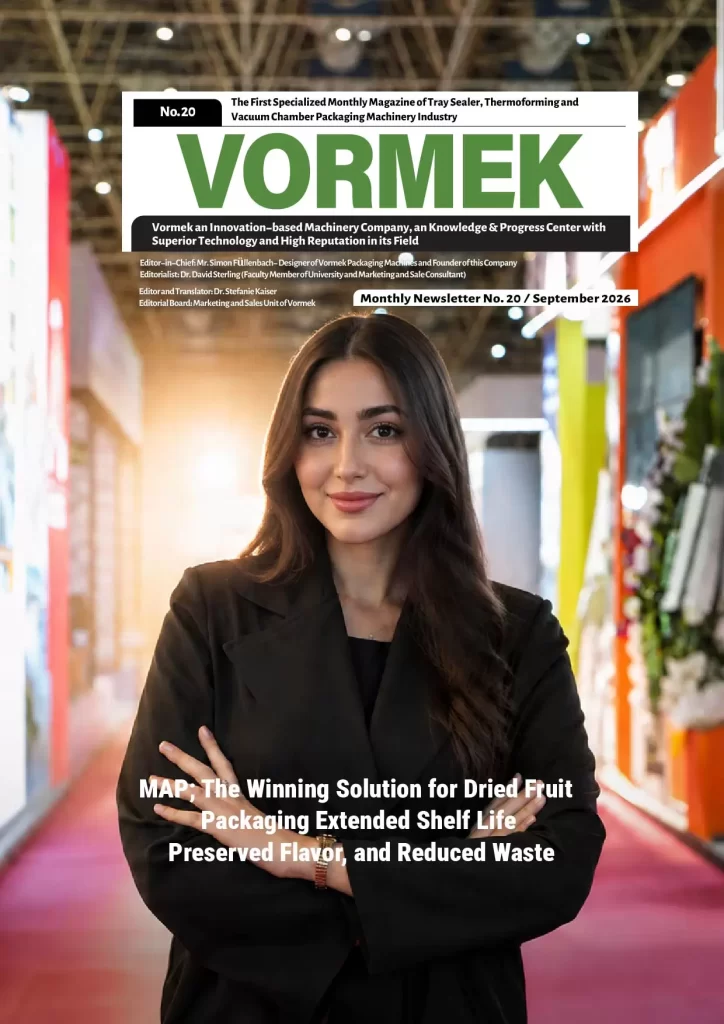
Medical Device Packaging: Best Proven Solutions (Issue 16)
In modern biomedical engineering and pharmaceutical manufacturing, precision sealing is fundamentally linked to human safety. A single microscopic breach in sterile barrier integrity can invalidate terminal sterilization and cause fatal healthcare risks. Today, mastering advanced medical device packaging has become the critical benchmark for healthcare equipment manufacturers seeking international regulatory clearance, zero-defect cleanroom production, and absolute patient protection.

Figure 1: High-precision medical device packaging machinery engineered for pharmaceutical cleanrooms.
In this zero-tolerance operational arena, specialized industrial tray sealers and thermoforming systems serve as indispensable barriers. By delivering hermetic, fiber-free peelable seals across medical-grade blister cavities, manufacturers ensure that surgical kits, sampling vessels, implants, and sterile instruments maintain strict aseptic presentation from packaging room to operating theater.
🔹 The Non-Negotiable Imperative of Sterility and Cleanroom Validation
“In the healthcare supply chain, commercial viability depends entirely on validatable process control. When sterile integrity cannot be scientifically proven across every production lot, international audits halt distribution immediately. Deploying specialized medical device packaging platforms eliminates micro-channel voids, providing repeatable seal verification under rigorous quality audits.”
Medical manufacturing protocols are strictly regulated worldwide by the ISO 11607 International Standards for Terminally Sterilized Medical Devices. To satisfy these stringent mandates, sealing machines must feature closed-loop PID thermal regulators, synchronized servo pressure calibration, and continuous digital parameter logging for IQ/OQ/PQ validation.
🔸 Seven Core Engineering Solutions Explored in Issue 16
The sixteenth edition of Vormek Magazine delivers an exhaustive technical roadmap designed specifically for biomedical production teams. In this volume, we examine why dedicated medical device packaging technology delivers decisive advantages over legacy manual systems:
- Thermoforming vs. Preformed Tray Sealers: A detailed comparative analysis evaluating cleanroom space requirements, mold tooling costs, and cycle speed differences for sterile device batches.
- Tyvek Microbial Barrier Sealing: Calibrating exact temperature-pressure-dwell curves to seal porous high-density polyethylene Tyvek lidding to rigid PETG and COC blister cavities without fiber tear.
- Ethylene Oxide (EtO) and Gamma Sterilization Resistance: Ensuring seal matrices withstand gas penetration, vacuum cycles, and radiation exposure without adhesive degradation or embrittlement.
- Avita Dental Implants Case Study: Exploring seven consecutive years of successful sterile blister packaging for high-precision titanium dental implants utilizing Vormek specialized machinery.
- Saba Meditech Cleanroom Automation: How leading medical device producers automated their tray sealing lines to eliminate operator contamination risk in ISO Class 7 cleanrooms.
- Validatable Data Logging & CFR Part 11 Compliance: Integrating automated sensors to record temperature, pressure, and dwell time for every individual sealing cycle.
- Automated Cleanroom Layer Palletizers: Protecting secondary cartoning from puncture and crushing through precision robotic end-of-line handlers.
🔹 Engineering Parameter Calibration for Flawless Peelability
Operating high-performance medical device packaging lines demands millimeter-level tool flatness and uniform heat distribution across all seal margins. Unlike food containers where slight variations are tolerated, biomedical blister seals must exhibit continuous, unbroken weld footprints under dye penetration and bubble emission testing. Vormek specialized medical tray sealers guarantee micron-accurate tool parallelism to eliminate weak spots and seal blowouts.
🔹 Who Benefits Most from This Edition?
Whether you serve as a Plant General Manager, Quality Assurance (QA/QC) Director, Biomedical Validation Engineer, or Packaging Development Specialist, this release offers actionable technical direction. Implementing certified medical device packaging protocols directly reduces audit non-conformances, prevents costly product recalls, and elevates your enterprise’s reputation in global healthcare markets.
Download Vormek Magazine Issue 16 (PDF)
Access the full digital publication featuring engineering teardowns, cleanroom validation protocols, and medical tray sealer case studies.
For deeper insights into packaging machinery applications and validation procedures, explore the technical articles on our packaging blog or contact our biomedical engineering specialists.
Wishing you continuous engineering precision and healthcare innovation.
Editor-in-Chief, Vormek Magazine