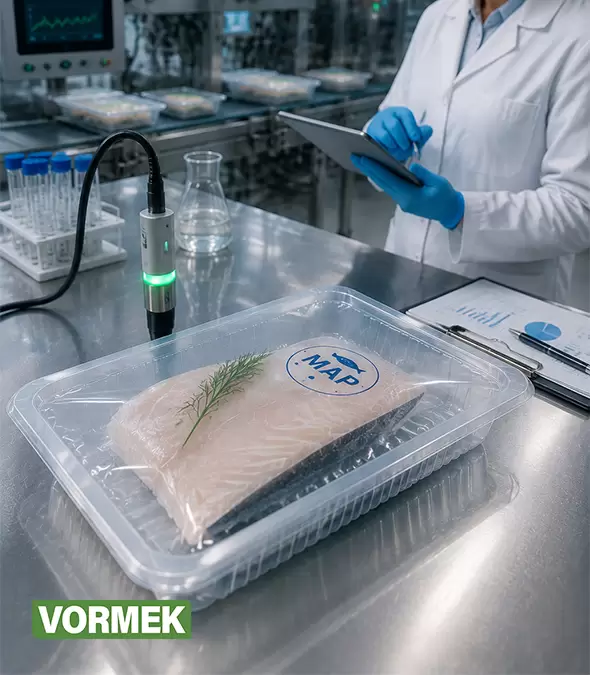
Introduction
Food safety has become one of the most influential factors in the global poultry industry. Consumers, retailers, certification bodies, and regulatory authorities all expect poultry products to meet increasingly stringent safety requirements while maintaining freshness, nutritional quality, and shelf life. As international trade expands and food supply chains become more complex, poultry processors are under constant pressure to demonstrate compliance with globally recognized food safety standards.
Although considerable attention is typically focused on slaughtering, chilling, deboning, and portioning operations, packaging is equally critical. Once poultry products enter the packaging area, they are only one step away from distribution and retail shelves. Any contamination introduced during this stage can compromise the entire production process, regardless of how well previous operations were controlled.
For this reason, modern poultry packaging equipment is no longer viewed simply as machinery for sealing trays or forming packages. Instead, it represents an integral component of a Food Safety Management System (FSMS), supporting contamination control, hygienic processing, traceability, quality assurance, and regulatory compliance.
Today’s packaging equipment must satisfy far more demanding requirements than production speed alone. Food manufacturers now evaluate machinery based on hygienic design, cleanability, sanitation efficiency, inspection capabilities, documentation, automation, and compatibility with international standards such as Hazard Analysis and Critical Control Points (HACCP), ISO 22000, Good Manufacturing Practices (GMP), and hygienic engineering guidelines.
These expectations have significantly changed the way packaging equipment is designed. Modern tray sealers, thermoforming machines, conveyors, filling systems, and inspection technologies must all work together to minimize microbiological hazards, prevent physical contamination, and ensure package integrity throughout the product’s shelf life.
The importance of hygienic engineering extends beyond regulatory compliance. Poorly designed equipment often increases cleaning time, creates bacterial harborage points, consumes excessive water and chemicals, shortens equipment lifespan, and ultimately increases production costs. Conversely, equipment designed according to hygienic principles supports operational efficiency while reducing contamination risks and improving product consistency.
For poultry processors supplying export markets, hygienic packaging equipment has become a competitive advantage rather than simply a compliance requirement. International retailers and foodservice companies increasingly evaluate equipment design, sanitation procedures, and inspection systems during supplier audits. A packaging line that demonstrates superior hygienic performance strengthens customer confidence and facilitates access to demanding global markets.
This comprehensive guide explains the most important food safety standards poultry packaging equipment should satisfy, explores hygienic engineering principles, reviews sanitation technologies, and highlights the equipment characteristics that help poultry processors maintain safe, efficient, and compliant production.
Why Food Safety Matters in Poultry Packaging
Fresh poultry is considered one of the highest-risk categories within the food industry because it provides ideal conditions for microbial survival and growth. High water activity, abundant nutrients, and refrigerated storage temperatures create an environment where pathogenic and spoilage microorganisms can persist if hygienic controls are inadequate.
Unlike canned or shelf-stable foods, poultry products do not undergo a sterilization process after packaging. Consequently, the packaging operation represents the final opportunity to prevent contamination before products enter the distribution chain.
Packaging equipment directly influences food safety through several mechanisms. Product-contact surfaces, sealing tools, conveyors, filling systems, pneumatic components, and operator interfaces all have the potential to introduce contamination if they are not properly designed, maintained, and sanitized.
The consequences of inadequate hygienic control extend well beyond product spoilage. Foodborne illness outbreaks associated with poultry products can result in:
- Expensive product recalls
- Regulatory enforcement actions
- Loss of export approvals
- Damage to brand reputation
- Reduced retailer confidence
- Significant financial losses
- Legal liability
- Long-term loss of consumer trust
Because of these risks, hygienic packaging equipment is now regarded as an essential preventive control rather than a simple production asset.
Biological Hazards
The primary biological hazards associated with poultry include:
- Salmonella spp.
- Campylobacter jejuni
- Listeria monocytogenes
- Escherichia coli
- Staphylococcus aureus
These microorganisms may originate from raw materials, equipment surfaces, personnel, water, or the production environment.
Packaging equipment should therefore be designed to minimize opportunities for microbial attachment and biofilm formation while facilitating rapid and effective cleaning.
Chemical Hazards
Chemical contamination may occur through:
- Improperly rinsed detergents
- Excess sanitizers
- Non-food-grade lubricants
- Corrosion products
- Hydraulic fluid leaks
- Packaging material migration
Selecting certified food-grade materials and implementing validated cleaning procedures significantly reduces these risks.
Physical Hazards
Physical contamination remains an important concern within poultry packaging operations.
Examples include:
- Metal fragments
- Plastic pieces
- Glass
- Broken machine parts
- Fasteners
- Rubber seals
- Packaging debris
Integrated inspection technologies such as metal detectors, X-ray systems, and dynamic checkweighers help prevent contaminated products from reaching consumers.
Packaging as a Critical Control Point
Within HACCP-based production systems, packaging frequently functions as either a Critical Control Point (CCP) or an Operational Prerequisite Program (oPRP).
Critical monitoring activities commonly include:
- Seal integrity
- Modified atmosphere gas composition
- Product temperature
- Metal contamination
- Package weight
- Label verification
- Traceability coding
Modern packaging equipment increasingly integrates these inspection functions into a single automated production line, reducing operator dependency while improving process consistency.
Key Regulations for Poultry Packaging
Although food safety legislation varies across countries, most regulatory systems are built upon the same scientific principles: preventing contamination before it occurs.
Processors exporting poultry products often need to comply with several regulatory frameworks simultaneously, making equipment selection particularly important.
HACCP (Hazard Analysis and Critical Control Points)
HACCP remains the internationally accepted preventive food safety methodology.
Rather than relying solely on finished-product inspection, HACCP identifies hazards throughout the production process and establishes preventive controls before contamination occurs.
Packaging equipment should support HACCP implementation by providing:
- Hygienic product-contact surfaces
- Easy cleaning and inspection
- Reliable sealing performance
- Process monitoring
- Validation capability
- Production traceability
- Repeatable operating conditions
A hygienically designed packaging machine simplifies HACCP verification while reducing operational risks.
ISO 22000
ISO 22000 integrates HACCP principles into a complete Food Safety Management System.
For poultry processors, ISO 22000 emphasizes:
- Risk-based thinking
- Preventive controls
- Documentation
- Continuous improvement
- Staff competency
- Equipment validation
- Internal audits
- Corrective actions
Packaging equipment capable of recording production parameters and supporting traceability significantly contributes to ISO 22000 compliance.
Good Manufacturing Practices (GMP)
Good Manufacturing Practices establish the operational foundation for safe food production.
Packaging equipment designed according to GMP principles should feature:
- Hygienic construction
- Corrosion-resistant materials
- Food-grade components
- Easy maintenance
- Effective drainage
- Preventive maintenance accessibility
- Safe lubrication practices
These characteristics reduce contamination risks while improving operational reliability.
Food Contact Material Regulations
Every material that comes into direct contact with poultry products—including stainless steel, plastics, elastomers, seals, hoses, and lubricants—must comply with applicable food-contact regulations.
Suitable materials should:
- Resist corrosion
- Prevent chemical migration
- Withstand repeated sanitation cycles
- Maintain structural integrity
- Avoid contaminating food products
Failure to select appropriate food-contact materials may compromise both food safety and regulatory compliance.
Global Export Requirements
Poultry processors supplying international markets frequently encounter additional customer requirements beyond mandatory legislation.
Major retailers often expect compliance with standards related to:
- Hygienic equipment design
- Environmental monitoring
- Inspection technologies
- Traceability
- Documentation
- Cleaning validation
- Preventive maintenance
Selecting internationally compliant packaging equipment simplifies customer audits while supporting long-term export growth.
Table 1. Major Food Safety Standards Affecting Poultry Packaging Equipment
| Standard | Primary Objective | Impact on Packaging Equipment |
|---|---|---|
| HACCP | Hazard prevention | Hygienic design, monitoring, validation |
| ISO 22000 | Food Safety Management System | Documentation, traceability, continual improvement |
| GMP | Safe manufacturing practices | Equipment design, sanitation, maintenance |
| Food Contact Regulations | Safe product-contact materials | Certified stainless steel, food-grade plastics, approved seals |
| Customer & Export Standards | Global market compliance | Inspection systems, hygienic engineering, validation |
Modern poultry packaging equipment should not simply satisfy production targets—it should function as a critical component of the processor’s food safety strategy. Machines designed according to internationally recognized hygienic engineering principles enable manufacturers to reduce contamination risks, simplify regulatory compliance, improve operational efficiency, and strengthen customer confidence across domestic and export markets.
Stainless Steel & Sanitation Requirements
The hygienic performance of poultry packaging equipment begins with the materials used to manufacture it. Every product-contact surface, structural component, conveyor, filling nozzle, sealing tool, and machine frame is exposed daily to moisture, proteins, blood residues, fats, cleaning chemicals, disinfectants, and frequent washdown procedures. These demanding operating conditions require materials that can withstand corrosion while maintaining hygienic integrity over many years of continuous operation.
For this reason, stainless steel has become the international standard for food processing machinery. However, selecting the correct stainless steel grade is only part of the solution. Surface finish, welding quality, machine geometry, drainage, and accessibility all play equally important roles in determining whether equipment can be effectively cleaned and sanitized.
From a food safety perspective, hygienic design is based on one simple principle: if a surface cannot be cleaned properly, it cannot be considered hygienic.
Why Stainless Steel Is the Preferred Material
Unlike painted carbon steel or aluminum, stainless steel provides a passive chromium oxide layer that protects the material against corrosion. This protective layer continuously regenerates itself whenever the surface is damaged, provided oxygen is present.
For poultry processors, stainless steel offers several critical advantages:
- Excellent corrosion resistance
- High mechanical strength
- Smooth non-porous surfaces
- Resistance to cleaning chemicals
- Long service life
- Easy sanitation
- Minimal maintenance
- Full compatibility with food-contact regulations
These characteristics make stainless steel particularly suitable for production environments requiring daily cleaning and strict microbiological control.
Why Poultry Processing Creates an Aggressive Environment
Fresh poultry generates one of the most challenging environments in the food industry. Packaging equipment is continuously exposed to:
- Blood
- Fat
- Protein residues
- High humidity
- Condensation
- Organic acids
- Chloride-containing cleaning chemicals
- High-pressure water
- Steam
- Temperature fluctuations
Each of these factors accelerates corrosion if inappropriate materials are selected.
Moreover, protein residues that remain on machine surfaces become excellent nutrients for bacterial growth, emphasizing the importance of smooth, easily cleaned surfaces.
AISI 304 Stainless Steel
AISI 304 remains the most commonly used stainless steel grade within food processing equipment.
It contains approximately:
- 18% Chromium
- 8% Nickel
This composition provides excellent corrosion resistance under most operating conditions while maintaining good mechanical properties.
Typical applications include:
- Machine frames
- External covers
- Conveyor supports
- Safety guards
- Control cabinets
- Structural components
- Dry product-contact areas
For many poultry packaging applications, AISI 304 provides an excellent balance between durability and cost.
However, areas subjected to aggressive washdown chemicals or continuous exposure to moisture may require a higher-performance alloy.
AISI 316 Stainless Steel
AISI 316 contains molybdenum, which significantly improves resistance to chloride corrosion and aggressive sanitation chemicals.
This makes AISI 316 particularly suitable for:
- Filling systems
- Product hoppers
- Liquid contact surfaces
- Washdown zones
- CIP piping
- Product-contact assemblies
- Areas exposed to disinfectants
Although AISI 316 typically costs more than AISI 304, its longer service life often reduces maintenance costs and minimizes equipment replacement over the machine’s lifetime.
Processors exporting to premium international markets frequently specify AISI 316 for critical food-contact components as part of their customer food safety requirements.
Table 2. AISI 304 vs. AISI 316
| Property | AISI 304 | AISI 316 |
|---|---|---|
| Corrosion Resistance | Excellent | Superior |
| Chloride Resistance | Moderate | Excellent |
| Resistance to Acidic Cleaners | Good | Excellent |
| Product Contact Areas | Suitable | Highly Recommended |
| Washdown Performance | Good | Excellent |
| Long-Term Durability | High | Very High |
| Relative Cost | Lower | Higher |
Surface Finish Matters More Than Many Processors Realize
Even the highest-quality stainless steel can become a contamination risk if the surface finish is poor.
Microscopic scratches, pits, rough welds, and grinding marks provide protected locations where microorganisms can attach and multiply.
These microscopic defects promote:
- Product residue accumulation
- Moisture retention
- Biofilm formation
- Difficult cleaning
- Increased bacterial survival
Modern hygienic equipment therefore incorporates polished surfaces with uniform finishes that minimize bacterial adhesion while facilitating complete cleaning.
Preventing Biofilm Formation
One of the greatest challenges in poultry processing is the formation of biofilms.
A biofilm is a community of microorganisms surrounded by a protective extracellular matrix that firmly adheres to equipment surfaces.
Once established, biofilms become extremely difficult to remove using ordinary sanitation procedures.
Biofilms may develop in areas where:
- Water remains after cleaning
- Product residues accumulate
- Cleaning chemicals cannot reach
- Surface defects are present
- Dead zones exist
Microorganisms embedded within biofilms exhibit significantly greater resistance to disinfectants than free-floating bacteria.
Preventing biofilm formation is therefore far more effective than attempting to remove mature biofilms.
Hygienic Welding
Welding quality has a direct influence on food safety.
Poor welds frequently contain:
- Cracks
- Pinholes
- Sharp edges
- Porosity
- Undercuts
- Incomplete penetration
Each defect creates microscopic harborage points for microorganisms.
Sanitary welds should always be:
- Continuous
- Smooth
- Fully penetrated
- Properly polished
- Free from surface defects
Professional hygienic welding not only improves cleanability but also extends equipment lifespan by reducing corrosion initiation points.
Eliminating Dead Zones
Dead zones are areas within equipment where cleaning solutions cannot effectively circulate or where food residues remain trapped.
Typical examples include:
- Horizontal ledges
- Blind holes
- Hollow tubing without drainage
- Overlapping sheet metal
- Hidden cavities
- Poorly designed sealing assemblies
These locations frequently become sources of recurring contamination despite regular cleaning.
Modern hygienic engineering seeks to eliminate dead zones entirely through improved machine geometry and simplified construction.
Open-Frame Machine Design
Traditional enclosed machine frames often trap moisture and make sanitation difficult.
Modern poultry packaging equipment increasingly utilizes open-frame construction because it offers numerous food safety advantages.
Benefits include:
- Easy visual inspection
- Improved drainage
- Better air circulation
- Faster drying
- Easier cleaning
- Simplified maintenance
- Reduced bacterial growth
Open-frame designs also allow quality personnel to inspect machine cleanliness more effectively during sanitation verification.
Sloped Surfaces Improve Drainage
Standing water is one of the primary contributors to microbial growth.
Properly engineered packaging equipment incorporates sloped surfaces that encourage complete drainage following washdown.
Examples include:
- Sloped machine covers
- Angled control panels
- Inclined support beams
- Drainable conveyor frames
These seemingly minor design features significantly improve sanitation performance while shortening cleaning and drying times.
Hygienic Fasteners and Machine Components
Traditional bolts, threaded connections, and exposed fasteners can create contamination traps if improperly selected.
Modern hygienic equipment minimizes exposed threads within product zones and utilizes hygienic fasteners specifically designed for food processing environments.
Similarly, seals, O-rings, plastics, and conveyor materials should be selected based on:
- Food-contact approval
- Chemical resistance
- Temperature resistance
- Wear resistance
- Ease of cleaning
Using certified food-grade components throughout the equipment supports long-term food safety compliance.
Cleaning Validation and Environmental Monitoring
Installing hygienically designed equipment does not automatically guarantee hygienic production. Cleaning procedures must be verified through scientifically validated methods.
Food manufacturers increasingly rely on cleaning validation programs to confirm that sanitation procedures consistently remove organic residues and microorganisms from equipment surfaces.
Common validation methods include:
- ATP bioluminescence testing
- Microbiological swabbing
- Protein residue testing
- Visual inspection
- Environmental monitoring
- Trend analysis
ATP testing provides rapid feedback regarding residual organic contamination, allowing sanitation personnel to identify cleaning deficiencies before production resumes.
Environmental monitoring programs further verify that pathogens such as Listeria are not establishing themselves within the production environment.
Documented validation records are particularly valuable during third-party audits and customer inspections.
CIP Systems Explained
Cleaning-In-Place (CIP) has transformed sanitation practices within modern food processing facilities by enabling automated cleaning of internal product-contact surfaces without requiring equipment disassembly.
Instead of manually dismantling components after every production shift, CIP systems circulate controlled cleaning solutions through internal pathways according to predefined cleaning programs.
A typical CIP sequence includes:
- Pre-Rinse – Removes loose product residues using warm water.
- Alkaline Wash – Dissolves proteins, fats, and organic deposits.
- Intermediate Rinse – Removes alkaline detergent residues.
- Acid Wash – Eliminates mineral scale and neutralizes alkaline residues.
- Final Rinse – Flushes remaining chemicals using potable water.
- Sanitization – Applies approved disinfectants to reduce microbial populations.
- Air Blow or Drying – Removes residual moisture before production resumes.
Benefits of Automated CIP
A properly designed CIP system provides numerous advantages:
- Consistent sanitation performance
- Reduced cleaning time
- Lower labor requirements
- Improved worker safety
- Reduced chemical consumption
- Lower water usage
- Repeatable cleaning cycles
- Better HACCP documentation
- Simplified audit preparation
- Reduced risk of cross-contamination
For poultry processors operating multiple shifts, these benefits often translate directly into improved production efficiency and lower operating costs.
Table 3. Typical Cleaning-In-Place (CIP) Cycle
| CIP Stage | Objective | Primary Outcome |
|---|---|---|
| Pre-Rinse | Remove loose residues | Reduces organic load |
| Alkaline Wash | Remove proteins and fats | Dissolves organic contamination |
| Intermediate Rinse | Flush detergent | Prevents chemical carryover |
| Acid Wash | Remove mineral deposits | Controls scale formation |
| Final Rinse | Remove remaining chemicals | Restores hygienic condition |
| Sanitization | Reduce microorganisms | Improves microbiological safety |
| Drying | Remove residual moisture | Minimizes bacterial growth |
Modern poultry packaging equipment should therefore be evaluated not only on production capacity, but also on how effectively it supports cleaning validation, hygienic engineering principles, and long-term sanitation performance. These characteristics directly influence food safety, regulatory compliance, equipment reliability, and the overall efficiency of poultry processing operations.
Metal Detection & Checkweighing
Even when hygienic design and sanitation procedures are properly implemented, food safety cannot rely solely on preventive measures. Every poultry packaging line should include inspection systems capable of identifying defects before products leave the factory. These systems provide the final verification that each package meets the manufacturer’s food safety and quality requirements.
Inspection technologies have evolved from optional quality-control tools into essential components of modern Food Safety Management Systems (FSMS). In many export markets, integrated inspection equipment is considered a basic requirement for supplying major retailers and foodservice companies.
The two most common inspection technologies installed after the packaging process are metal detection and dynamic checkweighing.

Metal Detection
Metal contamination remains one of the most serious physical hazards in poultry processing.
Although modern production lines are highly automated, metal fragments can still originate from:
- Machine wear
- Broken cutting blades
- Conveyor components
- Fasteners
- Maintenance tools
- Stainless steel fragments
- Wire brushes
- Processing equipment damage
Even extremely small metal particles may present a serious risk to consumers and often result in costly recalls.
Metal detectors continuously inspect every packaged product before shipment. When contamination is detected, the system immediately activates an automatic reject mechanism, ensuring that the affected package is removed from the production line without interrupting production.
Today’s digital metal detectors are capable of identifying:
- Ferrous metals
- Non-ferrous metals
- Stainless steel contaminants
Many advanced systems automatically record rejection events, enabling complete production traceability and simplifying audit documentation.
Best Practices for Metal Detection
To maximize inspection reliability, processors should:
- Validate detector sensitivity regularly using certified test pieces.
- Verify reject devices at the beginning and end of each production shift.
- Document all validation activities.
- Investigate every rejected package before disposal.
- Include metal detector verification within the HACCP verification program.
Routine validation demonstrates that the inspection system remains capable of detecting contaminants at the required sensitivity throughout production.
Dynamic Checkweighing
Package weight directly influences both regulatory compliance and customer satisfaction.
Underfilled packages violate labeling regulations and may damage consumer confidence, while overfilled packages increase product giveaway and reduce profitability.
Dynamic checkweighers automatically weigh every package moving through the production line without stopping production.
Besides confirming declared net weight, these systems provide valuable production information by identifying filling trends that may indicate equipment drift or calibration issues.
Modern checkweighers typically perform several functions simultaneously:
- Net weight verification
- Statistical process monitoring
- Automatic rejection of non-conforming packages
- Production data collection
- Filling system feedback
- Batch reporting
The continuous monitoring capability allows operators to identify deviations before significant quantities of product fall outside specification.
Combining Metal Detection and Checkweighing
Many poultry processors integrate both technologies into a single inspection station.
This configuration offers several advantages:
- Reduced floor space
- Simplified installation
- Centralized reporting
- Lower maintenance requirements
- Improved production efficiency
- Unified operator interface
By combining contaminant detection with weight verification, processors strengthen both food safety and quality assurance while simplifying production management.
Traceability and Data Collection
Modern inspection equipment no longer functions as a standalone device. Instead, it forms part of a digital production environment.
Inspection systems can record:
- Production date
- Shift information
- Product code
- Batch number
- Operator identification
- Rejection history
- Equipment alarms
- Performance trends
These records support regulatory compliance, customer audits, root-cause investigations, and continuous improvement initiatives.
Digital traceability has become particularly valuable during product recalls, allowing manufacturers to identify affected production lots quickly and accurately.
Table 4. Metal Detection vs. Dynamic Checkweighing
| Inspection System | Primary Purpose | Food Safety Benefit |
|---|---|---|
| Metal Detector | Detects metallic contaminants | Prevents physical hazards reaching consumers |
| Dynamic Checkweigher | Confirms package weight | Ensures labeling compliance and process consistency |
| Combined Inspection Unit | Performs both functions | Improves efficiency while strengthening quality assurance |
Modified Atmosphere Packaging (MAP) and Food Safety
Packaging atmosphere plays a critical role in poultry preservation.
Unlike ordinary air packaging, Modified Atmosphere Packaging (MAP) replaces ambient air with a controlled gas mixture specifically selected to slow spoilage while maintaining product quality.
For fresh poultry, the objective is not to sterilize the product but to create conditions that inhibit spoilage microorganisms and reduce oxidative deterioration.
The effectiveness of MAP depends on several interacting factors:
- Initial microbiological quality
- Temperature control
- Gas composition
- Packaging material barrier properties
- Seal integrity
- Hygienic processing
Even the most carefully designed gas mixture cannot compensate for poor sanitation or inadequate hygienic practices.
Typical Gases Used in Poultry MAP
Carbon Dioxide (CO₂)
Carbon dioxide is the primary antimicrobial gas used in fresh poultry packaging.
Its benefits include:
- Slows bacterial growth
- Extends refrigerated shelf life
- Reduces spoilage microorganisms
- Improves product stability
Higher CO₂ concentrations generally improve microbial inhibition; however, gas composition should always be validated for the specific product and packaging system.
Nitrogen (N₂)
Nitrogen is an inert gas used primarily as a filler gas.
Its functions include:
- Preventing package collapse
- Displacing oxygen
- Reducing oxidation
- Maintaining package appearance
Because nitrogen does not readily dissolve into poultry tissue, it helps preserve package volume throughout storage.
Oxygen (O₂)
Fresh poultry generally requires low oxygen concentrations compared with fresh red meat.
Excess oxygen may accelerate oxidative changes and reduce product quality, whereas carefully controlled oxygen levels support extended shelf life when combined with refrigeration and hygienic processing.
The exact gas mixture should always be established through product-specific validation studies.
Seal Integrity: The Foundation of Safe Packaging
Gas composition can only remain effective if the package seal is completely intact.
Poor sealing is one of the most common causes of premature spoilage in poultry products.
Seal failures may result from:
- Product contamination within the sealing area
- Incorrect sealing temperature
- Inadequate sealing pressure
- Insufficient sealing time
- Damaged tooling
- Poor-quality packaging materials
- Machine misalignment
Routine seal inspection should therefore form part of every quality assurance program.
Common evaluation methods include:
- Visual inspection
- Peel strength testing
- Dye penetration tests
- Vacuum leak testing
- Burst testing
Consistent seal quality protects both food safety and shelf life.
Preventive Maintenance Supports Food Safety
Food safety is influenced not only by sanitation but also by equipment reliability.
Poorly maintained packaging machinery increases the likelihood of:
- Mechanical failures
- Seal defects
- Lubricant leakage
- Component wear
- Metal contamination
- Unexpected downtime
A structured preventive maintenance program should include:
- Scheduled inspection of sealing tools
- Replacement of worn gaskets and seals
- Lubrication using approved food-grade lubricants
- Conveyor alignment verification
- Pneumatic system inspection
- Calibration of sensors and weighing systems
- Validation of inspection equipment
Preventive maintenance reduces the probability of food safety incidents while improving production efficiency and extending equipment lifespan.
Choosing Poultry Packaging Equipment for Food Safety Compliance
Selecting packaging equipment should involve more than comparing production capacity or purchase price.
Processors should evaluate whether the equipment supports long-term compliance with international food safety standards.
Important evaluation criteria include:
- Hygienic machine design
- Open-frame construction
- Food-grade contact materials
- Easy access for cleaning
- Compatibility with automated CIP systems
- Reliable sealing technology
- Integrated inspection systems
- Digital production records
- Preventive maintenance accessibility
- Availability of technical documentation
- Validation support
- Spare parts availability
- After-sales technical service
Equipment that satisfies these requirements generally delivers lower operating costs over its lifetime while reducing food safety risks.
Expert Tips for Poultry Processors
Food safety performance depends on consistent execution rather than isolated improvements. The following practices are widely recognized as effective ways to strengthen hygienic packaging operations:
- Design packaging areas with a clear separation between raw and finished product zones.
- Validate sanitation procedures whenever cleaning chemicals, equipment, or production schedules change.
- Monitor environmental microbiological trends rather than relying only on finished-product testing.
- Train operators to recognize hygienic design issues, not just equipment operation.
- Include packaging equipment in routine internal food safety audits.
- Review inspection data regularly to identify recurring process deviations before they become critical issues.
These practices support a proactive food safety culture and reduce the likelihood of costly corrective actions.
Conclusion
Food safety within poultry packaging extends far beyond meeting regulatory requirements. It is the result of a comprehensive system in which hygienic equipment design, validated sanitation procedures, preventive maintenance, inspection technologies, and trained personnel work together to minimize risk.
Modern poultry packaging equipment should not be viewed simply as production machinery but as an essential component of an integrated Food Safety Management System. Hygienically engineered tray sealers, thermoforming machines, conveyors, filling systems, metal detectors, and checkweighers all contribute to preventing contamination while protecting product quality and extending shelf life.
International standards such as HACCP, ISO 22000, GMP, and food-contact material regulations establish the framework, but successful implementation depends on selecting equipment specifically designed for hygienic food production. Features such as corrosion-resistant stainless steel, open-frame construction, effective drainage, cleanable surfaces, validated CIP systems, and digital traceability significantly improve both operational performance and audit readiness.
For poultry processors serving domestic or export markets, investing in hygienically designed packaging equipment is not merely a compliance decision—it is a long-term investment in consumer safety, brand reputation, operational efficiency, and sustainable business growth.
At VORMEK, hygienic engineering principles are incorporated throughout the design of packaging solutions to help food manufacturers achieve reliable sealing performance, simplified sanitation, regulatory compliance, and consistent product quality. By combining robust machine construction with modern automation and inspection technologies, processors can build packaging lines that support both food safety excellence and long-term productivity.
Frequently Asked Questions (FAQ)
1. What is the most important food safety standard for poultry packaging equipment?
HACCP provides the foundation for hazard prevention, while ISO 22000, GMP, and food-contact material regulations complement HACCP by establishing comprehensive food safety management requirements.
2. Why is stainless steel preferred for poultry packaging equipment?
Stainless steel offers excellent corrosion resistance, smooth cleanable surfaces, durability, and compatibility with food-contact regulations, making it ideal for hygienic food processing environments.
3. When should AISI 316 be selected instead of AISI 304?
AISI 316 is recommended for critical product-contact areas and aggressive washdown environments because its molybdenum content provides superior resistance to chloride-induced corrosion.
4. What is the purpose of a CIP system?
Cleaning-In-Place systems automate the cleaning of internal product-contact surfaces, improving sanitation consistency while reducing downtime, labor, and chemical consumption.
5. How does metal detection improve food safety?
Metal detectors identify and reject packages containing metallic contaminants before products leave the factory, reducing the risk of consumer injury and product recalls.
6. Why is seal integrity so important in poultry packaging?
A defective seal allows gas loss and microbial contamination, reducing shelf life and compromising food safety. Routine seal testing is therefore essential.
7. Does Modified Atmosphere Packaging eliminate bacteria?
No. MAP slows the growth of spoilage microorganisms but does not sterilize the product. Effective hygiene, refrigeration, and proper sanitation remain essential.
8. How often should packaging equipment be validated?
Validation frequency depends on regulatory requirements and risk assessments, but equipment should always be revalidated after significant maintenance, process changes, or sanitation modifications.
9. What role does preventive maintenance play in food safety?
Preventive maintenance minimizes equipment wear, prevents contamination caused by mechanical failures, and helps maintain consistent sealing and inspection performance.
10. What should processors consider when purchasing poultry packaging equipment?
Beyond production capacity, processors should evaluate hygienic design, cleanability, inspection integration, documentation, traceability, maintenance accessibility, and long-term compliance with international food safety standards.