Introduction
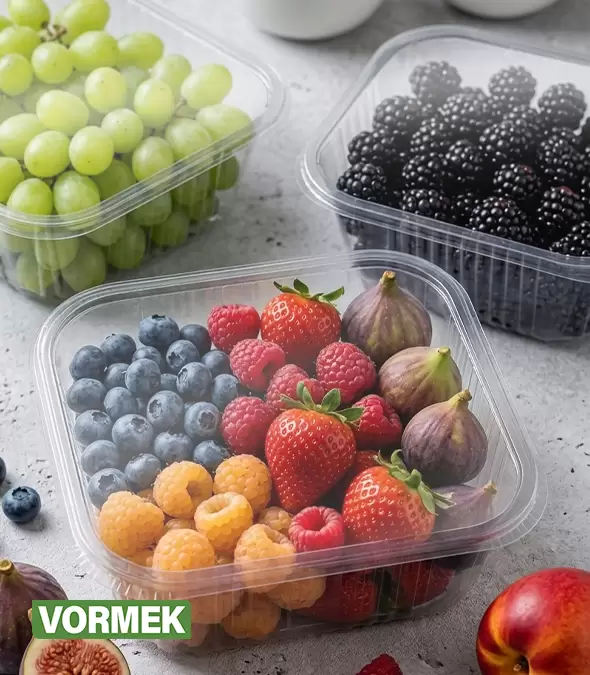
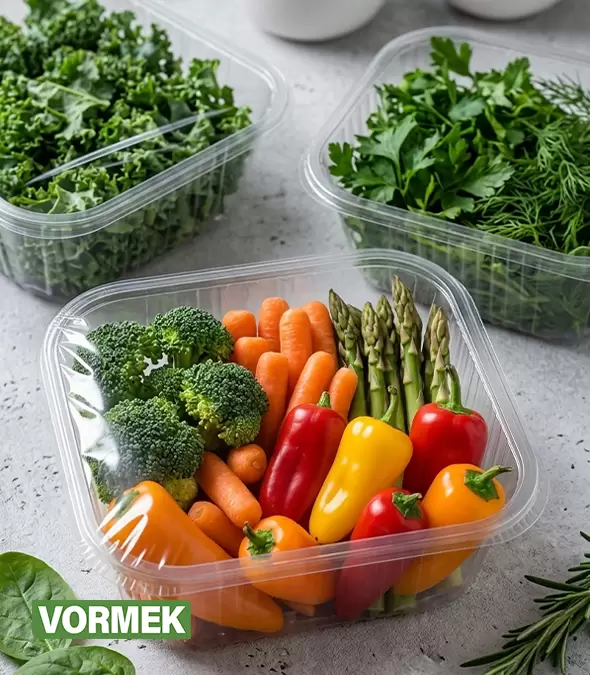
Fresh produce and salad packaging presents a unique set of challenges that distinguish it from almost every other sector of the food packaging industry. The products themselves—leafy greens, cut vegetables, prepared fruit salads, and whole produce items—are alive and respiring, releasing moisture and gases that create a dynamic environment inside every package. This biological activity, combined with the physical fragility of the products and the high hygiene standards required, makes seal integrity one of the most critical and challenging aspects of produce packaging operations.
Seal failures in fresh produce packaging are costly. A compromised seal allows oxygen ingress that accelerates respiration and spoilage, moisture exchange that leads to wilting or condensation, and microbial contamination that compromises food safety. The financial impact extends beyond the immediate product loss to include brand damage, customer returns, and reduced shelf life that limits distribution reach.
Common seal failures on fresh produce and salad packaging lines stem from predictable sources: contamination from plant exudates and debris, incorrect temperature and dwell time settings, film compatibility issues, and mechanical problems with sealing equipment. Each of these failure modes can be diagnosed and addressed through systematic troubleshooting and preventive measures.
For produce processors seeking to reduce seal failures and improve packaging line performance, understanding the engineering principles and practical interventions that govern seal integrity is essential. This guide provides the technical foundation for diagnosing and solving the most common sealing problems.
Understanding Seal Failures in Fresh Produce Packaging
The Consequences of Seal Failure
Seal failure in fresh produce packaging is not a minor quality issue it is a fundamental compromise of the package’s protective function. When a seal fails, the consequences cascade:
Atmosphere loss. Fresh produce packaging relies on modified atmosphere conditions reduced oxygen and elevated carbon dioxide to slow respiration, inhibit microbial growth, and preserve quality. A compromised seal allows atmospheric oxygen to enter the package, accelerating respiration, spoilage, and senescence.
Moisture exchange. Fresh produce packages are designed to maintain appropriate humidity levels. Seal failure allows moisture to escape, causing wilting and dehydration, or allows external moisture to enter, creating condensation that promotes microbial growth.
Contamination risk. Any seal defect creates a potential pathway for microbial contamination, compromising food safety. This is particularly concerning for fresh-cut produce, which has higher microbial vulnerability due to the removal of natural protective barriers.
Economic impact. The cost of seal failures includes direct product loss, rework and reprocessing expenses, customer returns, and damage to brand reputation. In high-volume operations, even a small percentage of seal failures represents significant economic loss.
Common Causes of Weak or Leaking Seals
Seal contamination. Contamination from product residues, plant exudates, moisture, and debris is the most common cause of seal failure in fresh produce packaging. A particle the size of a pinhead in the seal area can create a micro-channel that allows gas exchange, compromising the modified atmosphere. Leafy greens, cut vegetables, and fruit salads all release moisture and cellular compounds that accumulate on sealing surfaces.
Temperature and dwell time settings. Sealing parameters that are correct for one film type or product condition may be inappropriate for another. Incorrect temperature settings result in weak seals that fail under pressure or during distribution. Insufficient dwell time prevents the seal from forming completely.
Film compatibility issues. Not all films seal well on all equipment. Film stiffness, coefficient of friction, and seal initiation temperature all affect performance. Films that have not been validated on the specific packaging line may exhibit inconsistent sealing performance.
Mechanical problems. Worn or damaged seal bars, uneven pressure distribution, and misaligned sealing components all contribute to seal failures. Regular inspection and maintenance of sealing equipment is essential for consistent seal quality.
Product interference. Products that are not properly positioned in the package can interfere with the seal area. Overfilled packages, products that shift during sealing, and irregular product shapes can all prevent the seal from forming correctly.
The Dynamics of Micro-Channel Leaks
Micro-channel leaks are particularly problematic in fresh produce packaging because they are often invisible to visual inspection. A micro-channel is a tiny pathway through the seal that allows gas exchange while maintaining the appearance of a complete seal.
The dimensions of a micro-channel can be as small as a few micrometers, yet the leakage rate may be sufficient to compromise the modified atmosphere. At least one known study has investigated the effect of micro-leakage on product quality, highlighting the significance of even invisible seal defects.
The seal area must be free from contamination and a safe distance from package edges, and the seal must be in an area where the film can be completely sealed without wrinkles. These requirements are particularly challenging for fresh produce packaging, where product residues and moisture are constant.
The Science of Sealing in Produce Packaging
How Seals Work
Heat sealing creates a bond between two film layers through the application of heat, pressure, and time. The seal initiation temperature of the film must be reached, and sufficient pressure must be applied to bring the layers into intimate contact. The dwell time must be long enough for the seal to form completely.
The sealing process is influenced by:
- Seal initiation temperature. The temperature at which the film begins to soften and form a bond. Films with lower seal initiation temperatures are easier to seal but may be more sensitive to temperature variations.
- Seal strength development. The relationship between sealing conditions and final seal strength. Seals that are under-sealed may appear intact but fail under stress. Seals that are over-sealed may become brittle and fail.
- Seal window. The range of temperatures within which a satisfactory seal can be formed. Wide seal windows are desirable because they provide tolerance for process variations.
- Seal contamination tolerance. Some films are more tolerant of contamination than others. Films with higher contamination tolerance are advantageous in fresh produce packaging, where product residues are difficult to eliminate.
The Role of Film Selection
High barrier films. Fresh produce packaging requires films that provide the appropriate balance of oxygen transmission, carbon dioxide transmission, and water vapor transmission. High barrier films with EVOH layers offer excellent gas barrier properties but may require careful temperature control during sealing.
Anti-fog films. Anti-fog films prevent condensation droplets from forming on the package surface, maintaining visibility of the product. These films often have specialized coatings that affect sealing performance.
Microperforated films. Microperforated films allow controlled gas exchange, enabling the package to maintain the desired modified atmosphere for high-respiring products. The perforations are typically added after film production and may affect sealing performance at the perforation sites.
Bio-based and sustainable films. The shift toward sustainable packaging materials introduces new sealing challenges. Bio-based films may have different seal initiation temperatures and sealing windows compared to conventional films.
Temperature and Dwell Time Relationships
The relationship between temperature and dwell time is critical for seal quality. Higher temperatures reduce the dwell time required for a good seal but increase the risk of film degradation and product damage.
Temperature profiles. The temperature across the seal bar must be uniform. Temperature variations of even a few degrees can cause inconsistent seal quality.
Dwell time optimization. The optimal dwell time depends on the film type, temperature, and pressure. Dwell times that are too short result in weak seals. Dwell times that are too long reduce production speed and may cause film degradation.
Cooling. Proper cooling after sealing is essential for seal strength. Seals that are not adequately cooled may be weak until they cool, increasing the risk of failure during handling.
Troubleshooting Seal Failures
Systematic Approach to Diagnosis
Diagnosing seal failures requires a systematic approach that considers the entire packaging system.
- Visual inspection. Examine the seal for visible defects: wrinkles, contamination, incomplete sealing, and burn-through.
- Seal strength testing. Test the seal strength using peel testing or burst testing. Quantitative data helps distinguish between acceptable and unacceptable seals.
- Leak detection. Use leak detection methods to identify packages with compromised seals. Inline leak detection systems provide comprehensive testing.
- Process monitoring. Monitor sealing temperature, pressure, and dwell time to ensure they remain within specification. Data logging helps identify trends before they cause failures.
- Film evaluation. Evaluate the film for compatibility with the sealing equipment. Film samples from the production line can be tested in a laboratory sealing simulation.
- Environmental assessment. Assess the production environment for factors that affect sealing: ambient temperature, humidity, and airflow. Environmental conditions that are outside the normal range may affect sealing performance.
Contamination Control Strategies
Product placement. Ensure products are properly positioned within the package, away from the seal area. Using guides and infeed systems that consistently place products in the correct position reduces the risk of product-in-seal contamination.
Pre-seal cleaning. Implement cleaning systems that remove residue from the seal area before sealing. Wipers, air knives, and vacuum systems can reduce contamination.
Seal bar cleaning. Clean seal bars frequently to remove accumulated residue. The required cleaning frequency depends on the product type and production volume.
Film handling. Handle films carefully to prevent contamination before sealing. Keep films in clean, dry storage and avoid contact with contaminated surfaces.
Temperature and Dwell Time Optimization
Temperature validation. Verify that the seal bar temperature is accurate. Calibrate temperature sensors regularly.
Temperature uniformity. Check temperature uniformity across the seal bar. Temperature variations of more than 2-3°C may require maintenance or replacement of the seal bar.
Dwell time validation. Verify that the dwell time is sufficient for the film type and temperature. Dwell time that is too short may be caused by mechanical problems or incorrect machine settings.
Process capability. Establish the process capability for sealing parameters. Understanding the variation in temperature, pressure, and dwell time helps identify when adjustments are needed.
Preventive Maintenance for Seal Integrity
Regular inspection. Inspect sealing components regularly for wear and damage. Replace worn components before they fail.
Lubrication. Lubricate sealing components as recommended by the manufacturer. Proper lubrication reduces wear and maintains consistent operation.
Calibration. Calibrate temperature sensors and pressure gauges regularly. Inaccurate instruments lead to incorrect settings.
Spare parts. Keep critical spare parts on hand: heating cartridges, thermocouples, and seal bar components. Immediate replacement of failed components reduces downtime.
Operator training. Train operators to recognise seal quality issues and make appropriate adjustments. Well-trained operators are the first line of defense against seal failures.
Technical Tables
Table 1: Common Fresh Produce Seal Failure Modes and Solutions
| Failure Mode | Primary Cause | Diagnostic Indicators | Corrective Actions |
|---|---|---|---|
| Weak seals | Temperature too low; dwell time too short | Low peel strength; seals fail under pressure | Increase temperature or dwell time; verify temperature accuracy |
| Incomplete seals | Contamination in seal area | Visible debris in seal; micro-channel leaks | Clean seal bars; improve product positioning; pre-seal cleaning |
| Brittle seals | Temperature too high; dwell time too long | Seal fractures under stress; film degradation | Reduce temperature or dwell time; verify film compatibility |
| Wrinkled seals | Film tension issues; misaligned film | Wrinkles visible in seal; inconsistent seal appearance | Adjust film tension; realign film path; check film guide settings |
| Variable seal quality | Temperature variation across seal bar | Inconsistent seal appearance; weak spots | Check seal bar condition; verify temperature uniformity; replace seal bar if worn |
| Leakage at micro-channels | Contamination; incomplete sealing | Packages fail leak testing despite acceptable visual inspection | Improve contamination control; optimize sealing parameters; implement inline leak detection |
Table 2: Preventive Maintenance Schedule for Produce Packaging Seals
| Maintenance Task | Frequency | Key Activities | Responsibility |
|---|---|---|---|
| Seal bar cleaning | Shiftly or as needed | Remove residue from seal surfaces; inspect for wear | Line operator |
| Temperature verification | Daily | Check temperature sensors; compare with reference | Line operator / technician |
| Seal strength testing | Daily or per batch | Peel test or burst test sample packages | Quality control |
| Seal bar inspection | Weekly | Inspect for wear, damage, and alignment | Maintenance technician |
| Temperature calibration | Monthly | Calibrate sensors and controllers | Maintenance technician |
| Film compatibility review | Per new film lot | Verify sealing parameters for new film | Process engineering |
Frequently Asked Questions
1. What causes seal failures in fresh produce packaging?
Seal failures in fresh produce packaging typically stem from four main causes: seal contamination from product residues, plant exudates, and debris; incorrect temperature and dwell time settings; film compatibility issues; and mechanical problems with sealing equipment. Contamination is the most common cause, as leafy greens, cut vegetables, and fruit salads release moisture and cellular compounds that accumulate on sealing surfaces and prevent proper bonding.
2. How can contamination in the seal area be prevented?
Contamination can be prevented through proper product placement away from the seal area, pre-seal cleaning systems that remove residue before sealing, frequent seal bar cleaning, and careful film handling. Product guides and infeed systems that consistently place products in the correct position reduce product-in-seal contamination. The required cleaning frequency depends on the product type and production volume.
3. Why are micro-channel leaks particularly problematic?
Micro-channel leaks are tiny pathways through the seal that allow gas exchange while maintaining the appearance of a complete seal. The dimensions of a micro-channel can be as small as a few micrometers, yet the leakage rate may be sufficient to compromise the modified atmosphere. These defects are often invisible to visual inspection, making them difficult to detect without leak testing equipment.
4. How do temperature and dwell time affect seal quality?
Sealing temperature and dwell time must be precisely matched to the film type and product conditions. Higher temperatures reduce the dwell time required for a good seal but increase the risk of film degradation and product damage. Temperature variations across the seal bar of even a few degrees can cause inconsistent seal quality. Insufficient dwell time results in weak seals that may fail under stress.
5. What role does film selection play in sealing performance?
Film selection is critical because not all films seal well on all equipment. The seal initiation temperature, seal window, and contamination tolerance vary between films. Films that have not been validated on the specific packaging line may exhibit inconsistent sealing performance. The shift toward sustainable packaging materials introduces new sealing challenges that require careful evaluation.
6. How can seal quality be verified in production?
Seal quality can be verified through visual inspection for visible defects, seal strength testing (peel testing or burst testing), leak detection methods to identify packages with compromised seals, and process monitoring of sealing temperature, pressure, and dwell time. Inline leak detection systems provide comprehensive testing of every package.
7. What maintenance is required to maintain seal integrity?
Preventive maintenance for seal integrity includes regular seal bar cleaning (shiftly or as needed), daily temperature verification, daily or per-batch seal strength testing, weekly seal bar inspection, monthly temperature calibration, and film compatibility review with each new film lot. Proper lubrication of sealing components and keeping critical spare parts on hand reduce downtime when components fail.
8. How does the shift toward sustainable films affect sealing?
Sustainable packaging materials—including bio-based films and paperboard tray alternatives—often have different sealing characteristics compared to conventional films. They may have different seal initiation temperatures, different sealing windows, and different contamination tolerance. Equipment must be validated for each new material format, and sealing parameters may need to be adjusted to accommodate the new materials.
Conclusion: Partnering with Vormek for Produce Packaging Success
Fresh produce and salad packaging presents seal integrity challenges that are unique in the food industry. The combination of biological activity, product fragility, and moisture creates an environment where seal failures are common and costly. Yet these failures are not inevitable—they can be diagnosed, prevented, and solved through a systematic approach that addresses contamination control, temperature and dwell time optimization, film compatibility, and preventive maintenance.
The economic impact of effective seal integrity management is substantial. Reduced product waste, improved shelf life, enhanced brand reputation, and increased operational efficiency all contribute to profitability. In high-volume produce operations, even a small improvement in seal integrity can generate significant cost savings.
Automation of seal integrity verification provides a more reliable solution than manual inspection. Inline leak detection systems check every single pack, reliably detecting and rejecting packages with leaks. This comprehensive testing gives both processors and customers full reassurance as to the quality and safety of products.
The shift toward sustainable packaging materials introduces new sealing challenges but also new opportunities. Equipment and processes must adapt to accommodate bio-based films, paperboard tray alternatives, and other sustainable materials. Processors who invest in understanding these materials and validating their equipment for new formats will be well-positioned for future success.
Ready to discuss your fresh produce packaging seal integrity requirements? Vormek Packaging Solutions provides engineering expertise and packaging machinery specifically designed for the demanding fresh produce industry. Contact our engineering team to discuss your application and explore how we can help you achieve packaging excellence.