Introduction
Pickled vegetables and brined products represent one of the oldest and most beloved food categories across many cultures, particularly in Middle Eastern cuisine. Products such as pickled cucumbers, olives, garlic, peppers, mixed vegetable pickles, and various fermented vegetable preparations have maintained their special place on family tables for generations. However, what distinguishes today’s offerings from their traditional counterparts extends far beyond recipes or raw materials processing methods, packaging technology, and preservation systems play equally decisive roles in determining final product quality.
The modern consumer evaluates pickled products through multiple lenses beyond mere taste. Visual appeal, brine clarity, crisp texture retention, food safety assurance, and consistent quality throughout the product’s life have become essential selection criteria. Successful producers therefore strive not only to source high-quality raw materials but also to leverage modern food packaging technologies that deliver these attributes reliably.
In today’s competitive marketplace, packaging has evolved beyond a simple container for product storage. It has become an integral component of product quality and brand identity. This comprehensive guide examines the engineering considerations, packaging technologies, and quality assurance practices that define excellence in pickled products manufacturing.
The pickled products industry has witnessed substantial transformation driven by changing consumer expectations, retail distribution requirements, and regulatory standards. Traditional bulk packaging methods that once dominated the market have given way to sophisticated packaging systems that deliver enhanced preservation, superior presentation, and improved convenience.
Understanding the technical requirements of pickled products packaging requires appreciation of the unique characteristics of these products. The acidic and saline environment of brined products presents specific challenges for packaging materials and equipment. The biological activity inherent in fermented products requires packaging that accommodates continued metabolic processes while maintaining product integrity.
For food processors scaling production or entering new markets, mastering the technical aspects of pickled products packaging has become essential for competitive success. This comprehensive guide examines the engineering considerations, equipment selection criteria, material science fundamentals, and operational best practices that define excellence in this growing market segment.
Pickled Products: Living Systems with Active Processes
The Biological Reality of Fermented Foods
Many assume that once pickled cucumbers or other vegetables are produced, all internal processes cease. The reality is quite different. Natural reactions and fermentation-related processes continue within many pickled products long after production. This ongoing biological activity presents unique preservation challenges that packaging must address.
Fermentation is a complex biochemical process driven by microorganisms that convert sugars into acids, alcohols, and other compounds. These processes contribute to the distinctive flavors, textures, and preservation characteristics of pickled products. However, they also create ongoing activity that can affect product quality if not properly managed.
The microbial ecology of pickled products varies significantly depending on production methods, ingredients, and environmental conditions. Traditional fermented products rely on naturally occurring microorganisms, while modern industrial production often employs starter cultures to achieve consistent results. Understanding the microbial dynamics of each product type is essential for appropriate packaging design.
Temperature fluctuations, oxygen ingress, light exposure, and storage conditions all influence the rate and nature of ongoing biological processes. Without appropriate packaging interventions, pickled products may develop undesirable changes including color alteration, texture softening, brine cloudiness, sensory quality deterioration, or diminished commercial appearance.
The Chemistry of Pickled Products
The chemical environment of pickled products is characterized by acidity, salinity, and the presence of various organic compounds. These factors influence both product quality and packaging requirements.
Acidity results primarily from the production of organic acids during fermentation. Lactic acid, acetic acid, and other organic acids contribute to the characteristic tart flavor while also providing preservation benefits through pH reduction. The acidic environment affects packaging material compatibility, requiring materials that resist chemical attack.
Salinity provides osmotic control that influences microbial activity and texture retention. Salt concentration affects water activity, enzyme activity, and the physical structure of vegetable tissues. Brine concentration and stability must be maintained throughout distribution.
Organic compounds including volatile flavor compounds, pigments, and cell wall components influence sensory characteristics and chemical stability. These compounds may be sensitive to oxidation, light, or temperature extremes, requiring appropriate packaging protection.
The Continuum of Fermentation Activity
Pickled products exist on a continuum of fermentation activity. Some products undergo complete fermentation before packaging, while others continue developing flavor and texture characteristics during storage. Understanding where specific products fall on this continuum guides packaging approach selection.
Complete fermentation products have reached a stable state where further microbiological activity is minimal. These products primarily require protection against environmental factors that could initiate unwanted chemical reactions or microbial growth. Oxygen barrier properties become particularly important for these products to prevent oxidative degradation.
Active fermentation products continue producing gases and metabolic byproducts during storage. These products require packaging that accommodates continued gas production without compromising seal integrity. This may involve headspace management, gas-permeable membranes, or packaging configurations that allow controlled gas exchange.
Transitional products fall between these extremes, with fermentation slowing but not completely ceasing during distribution. Packaging must accommodate the changing activity levels while maintaining product quality throughout the expected shelf life.
The fermentation status of each product type should be assessed when developing packaging specifications. Products with different fermentation characteristics may require different packaging approaches even when similar in appearance.
Critical Factors Affecting Pickled Product Quality
Appearance and Texture as Quality Indicators
Appearance serves as one of the most important quality indicators consumers evaluate when purchasing pickled products. Pickled cucumbers should maintain crispness, olives should preserve their natural appearance, and the brine solution within the package should remain clear and uniform.
Color stability is particularly important for consumer acceptance. Green vegetables should retain their characteristic color; olives should maintain their natural hue; and the overall visual impression should suggest freshness and quality. Color changes can result from oxidation, chlorophyll degradation, or reactions with packaging components.
Brine clarity indicates product stability and quality. Cloudy brine may suggest microbial activity, physical disruption, or chemical reactions. Clear, brilliant brine supports the perception of quality and freshness.
Vegetable integrity including shape retention and surface characteristics influences perceived quality. Damage during processing or packaging, tissue softening, or surface discoloration detract from appearance.
Several factors can compromise these desirable characteristics:
Oxygen ingress into the package
Temperature variations during storage and distribution
Inadequate packaging systems
Environmental contamination
Direct light exposure
Substandard raw material quality
Improper hygienic practices during processing
Each of these factors can degrade product quality independently or in combination. Modern food processors therefore implement comprehensive control measures addressing all potential quality threats.
Texture Degradation Mechanisms
Texture degradation represents one of the most common quality issues in pickled products. Several mechanisms contribute to texture loss:
Enzymatic activity continues after processing, breaking down cell wall components and structural proteins. Inactivation through appropriate heat treatment or pH control is essential for texture retention.
Pectin degradation occurs through enzymatic or chemical hydrolysis, releasing cell wall components and causing tissue softening. Pectin esterase and polygalacturonase activity must be controlled through processing and storage conditions.
Osmotic effects can cause tissue swelling or shrinkage, affecting texture and appearance. Salt concentration, acid content, and water activity influence tissue behavior.
Microbial activity can produce enzymes or metabolic products that degrade tissue structure. Controlling microbial populations through appropriate acidity, salt content, and storage conditions prevents texture deterioration.
Flavor Stability and Preservation
Flavor is a primary quality attribute for pickled products. Maintaining flavor throughout distribution requires addressing multiple degradation pathways:
Oxidation of unsaturated fatty acids, volatile flavor compounds, and pigments can produce off-flavors and rancidity. Oxygen barrier packaging and appropriate storage conditions help control oxidative degradation.
Volatile loss occurs through evaporation or permeation through packaging. Appropriate barrier properties prevent loss of desirable aroma compounds.
Flavor component reactions including esterification, hydrolysis, and Maillard reactions can alter flavor profiles over time. Temperature control and appropriate packaging help manage these reactions.
Cross-contamination between product components or from environmental sources can introduce undesirable flavors. Appropriate packaging prevents flavor transfer and protects product integrity.
The Role of Packaging in Pickled Products
Beyond Simple Containment
In the past, many pickled products were sold in bulk quantities from open containers. While this approach persists in some traditional markets, it fails to meet the expectations of modern consumers and distribution channels.
Today’s consumers expect products that are:
Completely hygienic and safe
Visually appealing at the point of purchase
Protected from damage during transportation
Capable of maintaining quality until consumption
Clearly labeled with transparent product information
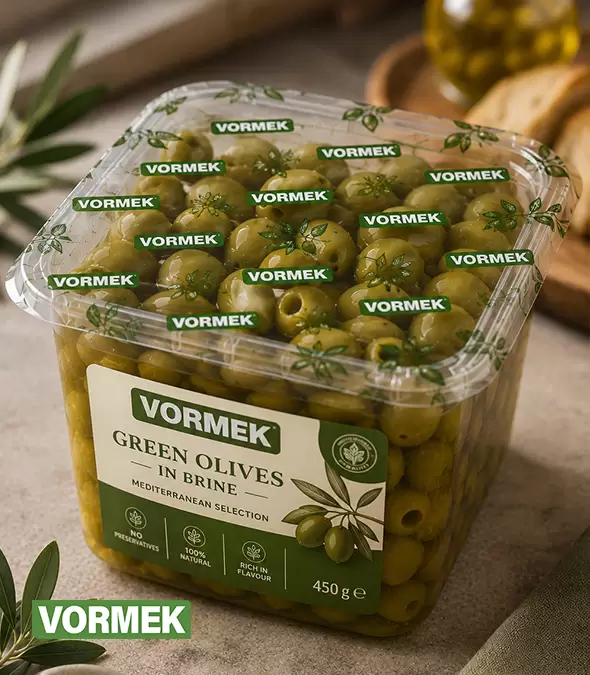
Professional packaging has therefore become a fundamental requirement for successful pickled products manufacturing. The packaging must fulfill multiple functions simultaneously: containment, protection, preservation, presentation, and communication.
Packaging’s Impact on Shelf Life and Quality
Appropriate packaging significantly extends the shelf life of pickled products by controlling the factors that accelerate quality deterioration. Oxygen barrier properties prevent oxidative reactions that cause color changes and flavor degradation. Moisture barrier properties maintain brine concentration and prevent dehydration. Light barrier properties protect sensitive components from photochemical reactions.
The selection of packaging materials and systems must account for the specific characteristics of each product type. High-acid products may require materials resistant to acidic environments. Products with high salt content require materials that withstand osmotic pressure and prevent brine migration.
Packaging also contributes to product quality through its mechanical properties. Properly designed packaging protects against physical damage during handling and transportation, preserving the visual appeal that drives consumer purchasing decisions.
Active Packaging Considerations
Active packaging technologies that interact with the product or environment can provide additional quality benefits for pickled products:
Oxygen scavengers incorporated into packaging materials or as separate sachets absorb residual oxygen, reducing oxidative degradation. These systems can significantly extend shelf life for oxygen-sensitive products.
Antimicrobial packaging incorporates compounds that inhibit microbial growth on product surfaces. These systems can provide additional safety margins for products with lower acid or salt content.
Moisture control systems regulate humidity within the package, preventing condensation that could promote microbial growth or affect product appearance.
Carbon dioxide management in active fermentation products prevents package bulging while maintaining appropriate headspace composition.
The implementation of active packaging technologies must consider regulatory requirements, cost implications, and compatibility with existing packaging systems.
Tray Sealing Technology for Pickled Products
Engineering Principles and Applications
Tray sealing technology has become increasingly prevalent in pickled products packaging. These systems enable complete hermetic sealing of containers, preventing direct product contact with the external environment. Additionally, the uniform and professional appearance achieved through tray sealing enhances product attractiveness on retail shelves.
In modern production lines, containers holding olives, pickled cucumbers, peppers, and various other brined products are packaged using tray sealing technology. This approach maintains product quality throughout the distribution chain while delivering superior presentation.
The tray sealing process involves placing pre-formed containers into a sealing station where a film is heat-sealed to the container flange. The seal must be complete and consistent to prevent leakage and maintain product integrity. Advanced systems incorporate features that accommodate variations in container dimensions and sealing conditions.
Sealing mechanisms in tray sealing systems involve controlled application of temperature, pressure, and time to achieve molecular bonding between film sealant and container flange. The sealing process must accommodate variations in container thickness, flange geometry, and material properties while maintaining cycle speed requirements.
Quality monitoring during tray sealing ensures consistent seal formation. Temperature monitoring, pressure verification, and seal integrity testing provide assurance that each package meets required standards. Statistical process control identifies trends that could indicate developing issues.
Container and Film Selection
The choice of container and sealing film significantly influences packaging performance. Containers for pickled products must possess specific characteristics:
Resistance to brine and acidic solutions
Appropriate mechanical strength
Desirable clarity for product visibility
Compliance with food contact material regulations
Compatibility with hermetic sealing processes
Similarly, sealing films must provide effective protection against environmental contamination while contributing to attractive package appearance. Professional production lines typically employ multi-layer films that combine barrier performance with sealability and presentation qualities.
The interaction between container material and film chemistry determines seal performance. Materials with compatible thermal properties and surface characteristics enable consistent seal formation. Material selection should consider the specific demands of each product application.
Polypropylene (PP) containers offer excellent chemical resistance and clarity at moderate cost. PP provides good moisture barrier properties and can be formulated for specific application requirements.
Crystalline PET (CPET) provides superior clarity and heat resistance, supporting applications requiring elevated temperature exposure.
Multilayer containers combining different materials can optimize performance characteristics while managing cost. Barrier layers may be incorporated to enhance oxygen or moisture protection.
Sealing Performance Requirements
Seals for pickled products must meet demanding performance requirements:
Leak resistance prevents brine leakage during handling and distribution. Seal integrity must withstand handling stresses, temperature variations, and pressure changes during transportation.
Hermetic integrity prevents oxygen ingress and maintains the sealed environment. Complete closure prevents contamination and maintains product quality.
Peel strength must be sufficient to resist failure during handling while enabling consumer opening. Seal strength is controlled through appropriate material selection and process parameters.
Chemical resistance ensures seal performance in the acidic and saline environment of pickled products. Seal components must not degrade or lose adhesion due to product chemistry.
Hygiene Engineering in Pickled Products Production
Hygienic Design Principles
Hygienic design represents one of the most critical considerations in food processing equipment. Production lines for pickled products must be designed to facilitate thorough cleaning and minimize contamination risk.
Key hygienic design features include:
Stainless steel construction (typically 304 grade or higher) in product contact areas
Sloped surfaces preventing liquid accumulation
Minimal crevices where food particles could accumulate
Quick-release components enabling efficient cleaning access
Smooth surfaces without rough welds or seams
Hygienic design extends beyond surface characteristics to include internal component protection. Equipment mechanisms must be sealed against water and cleaning agents to prevent contamination and equipment damage.
The IP65 washdown rating has become standard for food processing equipment, enabling thorough cleaning without water ingress to sensitive components. Equipment with higher IP ratings may be specified for applications requiring aggressive cleaning procedures.
Food Safety Standards Implementation
There is sometimes a misconception that the salt and acid content of pickled products eliminates the need for strict hygiene controls. In reality, food safety remains critically important throughout the production process.
Professional manufacturers implement comprehensive food safety systems including:
HACCP (Hazard Analysis and Critical Control Points)
GMP (Good Manufacturing Practices)
Quality control monitoring systems
Sanitation standard operating procedures
These systems ensure consistent product safety and quality while supporting regulatory compliance and consumer confidence.
Critical control points in pickled products production include raw material acceptance, processing conditions, packaging integrity, and storage conditions. Monitoring and documentation at each control point provide assurance of product safety.
Verification activities including microbiological testing, chemical analysis, and physical inspection confirm the effectiveness of control measures. Regular verification ensures ongoing compliance with safety standards.
Preventing Cross-Contamination
Pickled products production lines often process multiple product variants with different ingredients and formulations. Engineering controls prevent cross-contamination between production runs.
Dedicated filling zones for different product types, sanitation protocols between changeovers, physical barriers for allergen segregation, and transfer systems that minimize product contact surfaces all contribute to cross-contamination prevention.
Color-coded tooling and equipment, distinct cleaning schedules, and specialized air handling systems further reduce contamination risks. Employee training and procedural controls support effective implementation of these measures.
Allergen management is particularly important for products containing ingredients that may trigger allergic reactions. Dedicated equipment or rigorous cleaning protocols are required when processing allergen-containing and non-allergen products on the same equipment.
Quality Assurance for Pickled Products
Raw Material Quality
Raw material quality fundamentally determines final product quality. Consistent sourcing of high-quality vegetables, appropriate ingredients, and reliable brine components provides the foundation for successful pickled products.
Supplier qualification programs, incoming material inspection, and traceability systems ensure raw materials meet required specifications. Regular supplier audits verify ongoing compliance with quality requirements.
The quality of vegetables significantly influences final product texture and appearance. Freshness, variety selection, and harvest timing all affect the crispness and color that consumers expect. Appropriate processing immediately following harvest preserves these desirable characteristics.
Defect management through visual inspection, sorting, and grading removes substandard materials before processing. Defect rates and types are tracked to identify supplier quality issues and improvement opportunities.
Microbiological quality of raw materials is assessed through appropriate testing. High initial microbial loads may compromise preservation and product quality, requiring stricter process controls.
Process Control and Monitoring
Consistent product quality requires rigorous process control throughout production. Key process parameters including temperature, time, ingredient concentrations, and acidity levels must be carefully monitored and controlled.
Statistical process control (SPC) provides early warning of process deviations that could affect product quality. By monitoring key parameters and analyzing trends, manufacturers can identify potential issues before they impact product quality.
In-process inspection and testing verify that products meet specifications at each production stage. Sampling plans and testing protocols should be appropriate for the product type and production volume.
Brine control through regular testing of salt concentration, acidity, and other parameters ensures consistent fermentation and preservation. Brine composition affects both product quality and packaging performance.
Thermal processing when applicable requires careful control of time and temperature to achieve appropriate pasteurization while preserving product quality. Overprocessing can degrade texture and appearance.
Finished Product Testing
Comprehensive testing of finished products verifies that all quality and safety requirements have been met:
Microbiological testing confirms absence of pathogenic organisms and appropriate levels of spoilage organisms. Testing protocols should address organisms of concern for pickled products.
Chemical analysis verifies appropriate acidity, salt content, and other quality parameters. Chemical stability testing assesses quality changes over expected shelf life.
Physical testing including texture measurement, color assessment, and package integrity verification confirms product quality attributes.
Sensory evaluation through trained panels or consumer testing validates product acceptability. Sensory testing is essential for confirming that products meet consumer expectations.
Equipment Selection for Pickled Products Packaging
Tray Sealer Selection Criteria
Choosing appropriate tray sealing equipment requires careful evaluation of production requirements, product characteristics, and business objectives. Key considerations include:
Production Volume and Throughput
Equipment selection must align with current production volumes while accommodating planned growth. Throughput requirements determine machine size, number of sealing stations, and automation level.
Product Format and Variety
The range of container sizes, shapes, and materials to be processed influences equipment design and tooling requirements. Equipment with quick-change tooling supports efficient format switching.
Hygiene and Cleanability
Equipment must meet applicable hygiene standards for food processing. Stainless steel construction, washdown capability, and clean-in-place features support sanitary operation.
Automation and Integration
The level of automation should reflect labor availability, cost considerations, and integration requirements with upstream and downstream equipment. Fully automated lines offer efficiency advantages for high-volume production.
Tooling and Changeover Considerations
Multi-product producers require efficient changeover capabilities to minimize downtime between production runs. Quick-change tooling systems, standardized interfaces, and programmatic parameter adjustment support rapid format switching.
Tooling quality significantly influences seal performance and consistency. Precision-machined sealing tooling with appropriate surface finishes and heating characteristics enables reliable seal formation across diverse container formats.
Tooling maintenance requirements should be considered during equipment selection. Readily accessible tooling components simplify cleaning and replacement, reducing maintenance time and costs.
Tooling materials including appropriate grades of stainless steel and aluminum provide durability and thermal performance. Wear-resistant surfaces extend tooling life and maintain performance consistency.
Heating system design including heater placement, temperature control, and heat distribution influences seal quality. Uniform heating across the sealing surface is essential for consistent performance.
Automation and Integration
Automation level selection should reflect production requirements, labor considerations, and quality objectives:
Manual loading may be appropriate for low-volume production or highly variable product formats. Manual systems offer flexibility but require more labor and have lower throughput.
Semi-automatic systems combine manual loading with automated sealing operations. These systems offer efficiency improvements while maintaining format flexibility.
Fully automatic systems integrate product handling, filling, sealing, and downstream operations. Automatic systems offer maximum throughput and efficiency for high-volume production.
Line integration with upstream and downstream equipment ensures smooth material flow and efficient operation. Interface design should consider material transfer, synchronization, and quality monitoring.
Packaging Materials for Pickled Products
Container Material Selection
Container material selection requires balancing multiple performance requirements:
Chemical Resistance
Containers must withstand acidic or saline environments without degradation. Material compatibility testing should confirm resistance to the specific product formulation. Polypropylene and CPET offer excellent chemical resistance for pickled products applications.
Mechanical Properties
Containers must maintain structural integrity during filling, sealing, handling, and distribution. Impact resistance, stack strength, and temperature tolerance all influence performance. Mechanical property testing should be conducted under relevant environmental conditions.
Barrier Performance
Containers must provide appropriate barrier properties for the product and intended shelf life. Oxygen transmission rate, moisture vapor transmission rate, and light transmission should meet product requirements. Barrier performance can be enhanced through coatings or laminate constructions.
Clarity and Appearance
Transparent containers allow product visibility, supporting consumer purchasing decisions. Container clarity and gloss influence shelf appeal. Additives or coatings may be required to achieve desired optical properties.
Sustainability Considerations
Environmental concerns increasingly influence material selection. Recyclable materials, reduced material usage, and renewable resources are gaining attention. Life cycle assessment can guide sustainable material selection.
Film Material Considerations
Sealing films must meet multiple performance requirements:
Sealability
Films must seal consistently to container materials under the operating conditions of the sealing equipment. The seal must be complete, consistent, and free of defects. Sealability is influenced by film composition, sealing parameters, and container surface properties.
Barrier Performance
Films must provide appropriate barrier properties for the product application. Oxygen, moisture, and light barrier requirements depend on product sensitivity and desired shelf life. Multilayer film constructions can optimize barrier performance.
Mechanical Properties
Films must withstand handling and distribution stresses without tearing or puncturing. Tensile strength, elongation, and puncture resistance influence performance. Mechanical properties should be verified through appropriate testing.
Optical Properties
Clear films provide product visibility, enhancing shelf appeal. Surface finish affects gloss and printability for labeling and branding. Optical properties should be consistent with branding requirements.
Chemical Resistance
Films must withstand contact with the acidic and saline product environment without degradation. Chemical resistance testing should confirm compatibility with product formulations.
Sustainable Packaging Solutions
The packaging industry is increasingly focused on sustainability, with implications for pickled products packaging:
Material reduction through lightweighting and design optimization reduces resource consumption. Thin-walled containers, optimized designs, and material substitutions can achieve significant material reductions.
Recyclability through mono-material designs or compatible material combinations supports circular economy objectives. Packaging that can be readily recycled reduces environmental impact.
Recycled content in packaging materials supports secondary market demand for recycled materials. Food-grade recycled content availability is increasing for certain materials.
Bio-based materials from renewable sources offer alternatives to petroleum-based plastics. Bio-based materials must meet performance and regulatory requirements for food applications.
Sustainability Considerations
Material Reduction Strategies
Packaging optimization can significantly reduce material usage while maintaining performance. Through appropriate design, material reductions of 15-30% can be achieved without compromising product protection.
Optimization approaches include:
Container wall thickness reduction through design optimization
Lightweighting through structural design and material selection
Material substitution with lower-density materials
Film thickness optimization through performance-based design
Each approach requires validation to ensure continued performance under all expected conditions. Testing should confirm mechanical integrity, barrier performance, and processability of optimized packaging.
Recyclability and End-of-Life Management
Increasingly, consumers and regulators expect packaging to be recyclable or otherwise managed at end of life. Design considerations include:
Mono-material constructions that are readily recyclable
Separation of different materials to enable recycling
Labeling to inform consumers about recycling options
Use of recycled content where appropriate
Supply chain considerations include availability of recycling infrastructure for specific materials. Closed-loop systems that return recycled materials to production offer environmental and economic benefits.
Food Waste Reduction
Perhaps the most significant sustainability contribution of effective pickled products packaging lies in food waste reduction. By maintaining product quality over extended periods, packaging reduces waste at multiple points:
Retail waste from spoiled or unsaleable products
Consumer waste from products that have deteriorated before use
Production waste from packaging failures
Extended shelf life enables more efficient distribution and inventory management, further reducing waste throughout the supply chain.
The environmental impact of food production is substantial. When food is wasted, all of the resources used in its production (water, energy, land, fertilizers) are also wasted. Packaging that extends shelf life thus contributes to comprehensive resource conservation.
Technical Comparison: Packaging Methods
Packaging Approaches for Different Pickled Products
Packaging System Selection Considerations
FAQ Section
Does packaging affect pickled cucumber quality?
Yes. Appropriate packaging maintains appearance, preserves brine quality, prevents environmental contamination, and extends shelf life. Without proper packaging, pickled cucumbers may experience quality deterioration that significantly reduces consumer acceptance. The package must provide an effective barrier against oxygen, moisture, and contaminants while maintaining visual appeal.
Why do some pickled cucumbers become soft?
Several factors can affect product texture including raw material quality, processing methods, and storage conditions. Enzymatic activity, improper brine concentration, and temperature abuse during distribution can all contribute to texture softening. Appropriate processing parameters and storage conditions help maintain crispness throughout shelf life.
How does container material affect pickled product quality?
Container material selection significantly influences quality preservation. Materials must resist the acidic or saline environment, maintain appropriate barrier properties, and support hermetic sealing. Improper material selection can lead to degradation, leakage, and quality loss. Material testing confirms compatibility with specific product formulations and storage conditions.
Why is hygienic design important in pickled products production?
Hygienic design enables thorough cleaning and sanitization, preventing cross-contamination between production batches. Features such as stainless steel construction, sloped surfaces, and minimal crevices contribute to effective sanitation and food safety. Equipment that cannot be properly cleaned presents risks of microbial contamination and product quality issues.
What is the most important factor for packaging success in pickled products?
Successful packaging requires integration of multiple factors including high-quality raw materials, appropriate processing conditions, suitable packaging equipment, hygienic design, professional packaging materials, and careful quality control. No single factor ensures success; all must work together. A holistic approach considering all aspects of packaging system design yields optimal results.
How does tray sealing benefit pickled products packaging?
Tray sealing provides hermetic closure that prevents leakage, protects against contamination, and maintains product quality. The uniform professional appearance enhances shelf appeal and supports premium positioning. Tray sealed packages also offer convenience for consumers and are compatible with automated production lines.
What role does food safety play in pickled products production?
Food safety remains critically important despite salt and acid content. Comprehensive systems including HACCP, GMP, and quality control monitoring ensure consistent product safety and quality while supporting regulatory compliance. Food safety programs should address biological, chemical, and physical hazards throughout the production process.
How can producers manage different packaging requirements for varied pickled products?
Different pickled products may require different packaging approaches based on their fermentation status, chemical properties, and handling characteristics. Tray sealing systems with flexible tooling and programmatic control enable efficient switching between product formats. Tooling changeovers should be quick and reliable to maintain production efficiency.
What are the key considerations for packaging line hygiene?
Packaging line hygiene considerations include equipment cleanability, sanitation procedures, employee hygiene practices, and environmental controls. Equipment designed for hygienic operation, appropriate cleaning frequencies, and verification of cleaning effectiveness are essential. Sanitation standard operating procedures should address all equipment surfaces that contact product or packaging.
How does temperature affect pickled products quality during distribution?
Temperature fluctuations during distribution can accelerate quality deterioration in pickled products. Elevated temperatures increase enzymatic and microbial activity, potentially affecting texture, color, and flavor. Temperature abuse can also cause brine separation and package condensation. Maintaining appropriate temperatures throughout distribution is essential for quality preservation.
Conclusion
The pickled products market has undergone significant transformation in recent years. Today’s consumers evaluate products on multiple dimensions beyond taste alone—appearance, packaging quality, food safety assurance, and brand reputation all influence purchasing decisions.
In this environment, professional packaging has become essential for commercial success. Modern food packaging technologies, advanced tray sealing equipment, hygienic equipment design, food safety standards compliance, and appropriate packaging material selection have become key success factors for producers.
Packaging has evolved from a simple storage container to an integral component of product quality, value, and identity. Manufacturers who have recognized this have succeeded in bringing products to market with superior quality, professional appearance, and enhanced consumer confidence.
The technical requirements of pickled products packaging demand careful attention to material science, equipment engineering, and quality assurance. Understanding the unique characteristics of pickled products and the factors that affect their quality enables informed packaging decisions that deliver competitive advantage.
The future of pickled products packaging will continue to evolve toward improved sustainability, enhanced performance, and greater consumer convenience. Manufacturers who invest in understanding and implementing appropriate packaging technologies position themselves for continued success in this growing market.
Looking ahead, developments in smart manufacturing and digitalization will further enhance packaging capabilities. Real-time monitoring and control, predictive maintenance, and integrated quality management will become standard features. These advances will enable even greater production efficiency and product quality.
For food processors evaluating packaging options, collaboration with experienced equipment manufacturers is recommended. Vormek’s engineering expertise and understanding of pickled products applications can support equipment selection and implementation. Our precision sealing systems are designed to meet the demanding requirements of modern pickled products production.