Cheese is a living food. Even after production, biochemical reactions continue to influence its texture, aroma, flavor, moisture content, and microbial stability. Packaging is therefore not simply a method of containing the product—it is one of the most critical processing steps affecting shelf life, food safety, retail appearance, and consumer satisfaction.
For dairy processors, selecting the appropriate packaging method requires balancing several variables simultaneously, including oxygen transmission rate (OTR), water vapor transmission rate (WVTR), gas composition, seal integrity, storage temperature, product respiration (for fresh cheeses), and mechanical protection throughout distribution.
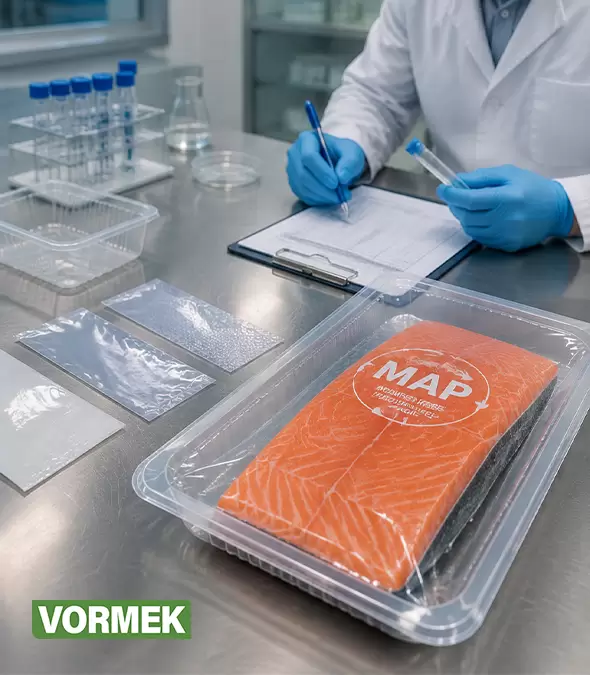
Modern cheese manufacturers increasingly rely on Modified Atmosphere Packaging (MAP), vacuum packaging, thermoforming systems, and precision tray sealing technologies to preserve quality while extending distribution time. However, the optimal solution varies significantly depending on the cheese variety. A packaging configuration that performs exceptionally well for Parmigiano Reggiano may dramatically reduce the quality of Brie or fresh mozzarella.
This guide explains the science behind cheese preservation and demonstrates how packaging technology directly influences product longevity. It also provides practical recommendations for selecting packaging materials, gas mixtures, and equipment suitable for different cheese categories.
Why Shelf Life Matters in Cheese Packaging
Shelf life is not simply the number of days before expiration. It is the period during which cheese maintains its intended safety, flavor profile, aroma, texture, nutritional value, and visual appearance under specified storage conditions.
A well-designed packaging system should preserve all of these quality attributes while minimizing spoilage caused by:
- Mold growth
- Yeast development
- Surface dehydration
- Fat oxidation
- Flavor deterioration
- Color changes
- Moisture migration
- Mechanical damage during transport
- Secondary contamination after production
From a commercial perspective, longer shelf life provides several operational advantages:
| Benefit | Business Impact |
|---|---|
| Reduced product waste | Lower production losses |
| Longer distribution range | Access to export markets |
| Improved inventory flexibility | Fewer emergency shipments |
| Better retail presentation | Increased consumer confidence |
| Higher profitability | Lower cost per sale |
| Greater food safety | Reduced recall risk |
For premium dairy brands, packaging quality often becomes a competitive advantage rather than merely a production requirement.
Understanding Cheese Spoilage Mechanisms
Effective packaging begins with understanding why cheese deteriorates.
Different spoilage mechanisms dominate depending on the cheese variety.
| Spoilage Mechanism | Primary Cause | Packaging Solution |
|---|---|---|
| Mold growth | Oxygen exposure | MAP or vacuum packaging |
| Fat oxidation | Oxygen | Oxygen barrier films |
| Moisture loss | High WVTR | High-barrier multilayer films |
| Excess moisture | Condensation | Anti-fog films and humidity control |
| Texture degradation | Incorrect gas balance | Optimized MAP |
| Surface cracking | Dehydration | Vacuum packaging |
| Off-flavors | Oxidation and microbial activity | Controlled atmosphere |
| Seal contamination | Poor sealing process | Precision tray sealing |
Understanding these mechanisms allows processors to select packaging systems based on scientific principles rather than assumptions.
Types of Cheese Packaging
Different cheese varieties require fundamentally different packaging strategies. Factors such as moisture content, fat concentration, maturation stage, microbial activity, and intended shelf life all influence the most suitable solution.
Vacuum Packaging
Vacuum packaging removes air from the package before sealing, substantially reducing oxygen availability.
This method is widely used for:
- Cheddar
- Gouda
- Edam
- Parmesan
- Pecorino
- Swiss cheese
- Processed cheese blocks
Advantages
- Excellent oxygen reduction
- Lower oxidation rates
- Minimal mold development
- Extended refrigerated shelf life
- Reduced package volume
- Superior product protection during transportation
Limitations
Vacuum packaging may compress delicate cheeses, altering their appearance and texture. It is therefore less suitable for soft-ripened cheeses that require structural integrity.
Modified Atmosphere Packaging (MAP)
Modified Atmosphere Packaging replaces ambient air with a carefully controlled mixture of gases.
Typical gases include:
- Carbon dioxide (CO₂)
- Nitrogen (N₂)
- Limited oxygen where appropriate
Rather than eliminating all oxygen, MAP creates an optimized atmosphere tailored to the product.
Benefits include:
- Reduced microbial growth
- Better texture preservation
- Improved visual appearance
- Extended freshness
- Reduced dehydration
- Attractive retail presentation
MAP has become the preferred solution for many premium retail cheese products packaged in trays.
Thermoformed Packaging
Thermoforming systems produce custom packages directly from flexible or rigid films.
Advantages include:
- Reduced packaging material waste
- High production speeds
- Excellent sealing consistency
- Superior oxygen barrier performance
- Flexible package designs
- Integration with automated production lines
Thermoforming is particularly effective for large-scale dairy operations requiring consistent package quality.
Tray Sealing
Tray sealing combines rigid trays with high-barrier lidding films.
When integrated with MAP technology, tray sealers provide:
- Premium shelf presentation
- Excellent product visibility
- High sealing reliability
- Easy stackability
- Strong package protection
- Excellent branding opportunities
For sliced cheese, grated cheese, cheese cubes, and retail cheese portions, tray sealing often offers the best balance between product protection and consumer convenience.
Advanced systems such as the Smart Sealer product page provide highly repeatable sealing parameters, programmable recipes, automatic gas flushing, and precise temperature control, helping manufacturers achieve consistent package quality across multiple cheese formats.
Flow Wrap Packaging
Flow wrapping is commonly used for:
- Processed cheese portions
- Cheese sticks
- Snack cheese
- Individual servings
Although economical, flow wrapping generally provides lower barrier properties than MAP tray sealing or vacuum packaging and is therefore better suited to products with shorter intended shelf lives.
Selecting Packaging Materials
Packaging performance depends not only on machinery but also on the properties of the packaging film.
Critical material characteristics include:
- Oxygen barrier performance
- Moisture barrier
- Sealability
- Mechanical strength
- Puncture resistance
- Transparency
- Anti-fog capability
- Food-contact compliance
- Printability
Multilayer high-barrier films are commonly manufactured using combinations of:
- PE
- EVOH
- PA
- PET
- PP
Each layer contributes a specific functional property, allowing processors to optimize shelf life while maintaining production efficiency.
For high-moisture cheeses, selecting films with both low oxygen permeability and appropriate water vapor transmission characteristics is essential to prevent dehydration without encouraging condensation.
Key Factors That Influence Cheese Shelf Life
Packaging alone cannot guarantee maximum shelf life. Several production variables interact to determine the final product stability.
The most influential factors include:
- Initial microbial load
- Pasteurization efficiency
- Hygienic handling practices
- Cheese moisture content
- Salt concentration
- Product pH
- Storage temperature
- Relative humidity
- Packaging atmosphere
- Film barrier performance
- Seal integrity
- Cold chain management
Even the most advanced packaging technology cannot compensate for poor sanitation or inadequate temperature control during processing.
MAP for Hard vs Soft Cheese
Modified Atmosphere Packaging (MAP) has become one of the most effective technologies for extending cheese shelf life while maintaining product quality. Unlike vacuum packaging, which removes air almost entirely, MAP replaces the package atmosphere with a carefully controlled gas mixture designed to match the biological and physical characteristics of the cheese.
The objective is not simply to eliminate oxygen. Instead, the atmosphere is engineered to suppress spoilage microorganisms, slow oxidative reactions, preserve moisture, and maintain the cheese’s intended texture throughout its commercial shelf life.
Selecting an inappropriate gas mixture can be as damaging as selecting the wrong packaging film. Excessive carbon dioxide may cause package collapse or undesirable flavor changes, while excessive oxygen can accelerate mold growth and lipid oxidation. For this reason, gas composition should always be optimized for each cheese category.
Why Gas Composition Matters
Each gas used in MAP performs a distinct function.
Carbon Dioxide (CO₂)
Carbon dioxide is the primary antimicrobial gas used in dairy packaging. It dissolves readily into the moisture phase of cheese, reducing microbial growth by lowering surface pH and inhibiting many spoilage organisms.
Benefits include:
- Slower mold growth
- Reduced yeast activity
- Delayed bacterial spoilage
- Longer refrigerated shelf life
- Lower preservative requirements
However, excessive CO₂ may cause:
- Package collapse
- Increased acidity
- Changes in cheese texture
- Flavor alterations in sensitive varieties
Nitrogen (N₂)
Nitrogen is an inert gas that primarily acts as a filler.
Its functions include:
- Preventing package collapse
- Displacing oxygen
- Protecting delicate cheese structures
- Maintaining package appearance
- Reducing oxidation
Because nitrogen has very low solubility in cheese, it provides excellent structural stability during storage.
Oxygen (O₂)
For most cheese varieties, oxygen is undesirable because it promotes mold growth and fat oxidation.
However, limited oxygen may occasionally be used in specialty applications where maintaining the activity of specific ripening cultures or preserving characteristic rind development is required. These situations are exceptions rather than the rule and require careful validation.
MAP for Hard Cheese
Hard cheeses generally contain lower moisture levels and experience slower microbial growth than soft cheeses.
Examples include:
- Parmesan
- Grana Padano
- Pecorino Romano
- Aged Cheddar
- Manchego
- Emmental
- Gouda
- Edam
Because these cheeses have relatively low water activity, their primary packaging challenges include:
- Fat oxidation
- Surface mold growth
- Moisture loss
- Aroma preservation
For these products, nitrogen-rich gas mixtures with moderate levels of carbon dioxide often provide the best balance between microbial stability and package appearance.
Typical Packaging Objectives
- Minimize oxidation
- Preserve flavor compounds
- Prevent mold development
- Maintain cutting quality
- Avoid excessive package collapse
High-barrier packaging films are essential because even small amounts of oxygen permeation over extended storage periods can reduce product quality.
Packaging Recommendations for Hard Cheese
| Packaging Requirement | Recommendation |
|---|---|
| Oxygen Barrier | Very High |
| Moisture Barrier | High |
| Package Type | Vacuum or MAP |
| Preferred Equipment | Tray Sealer or Thermoformer |
| Film Structure | High-barrier multilayer film |
| Storage Temperature | 2–6°C |
| Seal Integrity | Critical |
MAP for Semi-Hard Cheese
Semi-hard cheeses occupy the middle ground between hard and soft varieties.
Examples include:
- Havarti
- Maasdam
- Young Gouda
- Monterey Jack
- Colby
- Tilsit
These cheeses contain more moisture than aged cheeses while remaining mechanically stable.
Packaging priorities include:
- Moisture retention
- Prevention of mold
- Protection against oxidation
- Maintaining slicing performance
- Preserving aroma
MAP systems provide excellent performance because they maintain product shape better than vacuum packaging while extending shelf life.
MAP for Soft Cheese
Soft cheeses present the greatest packaging challenge due to their high moisture content, delicate texture, and greater susceptibility to microbial spoilage.
Typical examples include:
- Brie
- Camembert
- Fresh Mozzarella
- Ricotta
- Cottage Cheese
- Cream Cheese
- Burrata
These cheeses often continue to undergo biochemical changes after packaging.
Therefore, packaging must preserve:
- Moisture
- Texture
- Surface appearance
- Beneficial microbial balance
- Flavor development
Excessive vacuum may deform these products, making MAP tray sealing the preferred solution for many retail applications.
Packaging Priorities for Soft Cheese
| Quality Objective | Packaging Strategy |
|---|---|
| Prevent dehydration | High humidity retention |
| Reduce mold | Controlled CO₂ |
| Protect structure | Nitrogen support |
| Maintain appearance | Anti-fog lidding film |
| Prevent oxidation | High-barrier film |
| Preserve texture | Controlled atmosphere |
Moisture Control in Cheese Packaging
Moisture management is often underestimated, yet it is one of the most significant factors affecting cheese quality throughout distribution.
Both excessive moisture loss and excessive moisture accumulation can shorten shelf life.
When cheese loses moisture:
- Texture becomes dry
- Surface cracking develops
- Weight decreases
- Consumer acceptance declines
When moisture accumulates inside the package:
- Condensation forms
- Mold growth accelerates
- Labels become unattractive
- Product appearance deteriorates
- Microbial risks increase
An effective packaging system must maintain a stable moisture balance throughout refrigerated storage.
Water Activity and Shelf Life
Water activity (aw) is a more meaningful indicator than total moisture content because it reflects the amount of water available for microbial growth.
Higher water activity generally results in:
- Faster mold growth
- Increased bacterial activity
- Greater spoilage potential
- Shorter shelf life
Packaging cannot change water activity directly, but it can significantly influence moisture migration and surface stability by controlling vapor transmission.
Selecting the Right Packaging Film
Film selection should always be based on the specific requirements of the cheese rather than cost alone.
Critical properties include:
- Oxygen Transmission Rate (OTR)
- Water Vapor Transmission Rate (WVTR)
- Seal strength
- Mechanical durability
- Puncture resistance
- Optical clarity
- Anti-fog performance
- Compatibility with MAP gases
For premium cheese products, multilayer barrier structures incorporating EVOH are widely used because they provide exceptional oxygen protection while maintaining package integrity.
Anti-Fog Films
Consumers associate visible condensation with poor quality, even when the product remains microbiologically safe.
Anti-fog lidding films prevent water droplets from forming on the inside surface by encouraging moisture to spread into a transparent layer.
Benefits include:
- Improved shelf appearance
- Better product visibility
- Reduced perceived spoilage
- Enhanced retail presentation
- Greater consumer confidence
This feature is especially valuable for fresh mozzarella, ricotta, cottage cheese, and other high-moisture cheeses displayed in refrigerated retail cabinets.
Temperature Control Remains Essential
Even the most advanced MAP system cannot compensate for inadequate refrigeration.
Cheese packaged under modified atmosphere should remain within a continuous cold chain from production through retail display.
Temperature abuse accelerates:
- Gas diffusion
- Microbial growth
- Fat oxidation
- Moisture migration
- Flavor deterioration
Maintaining consistent storage temperatures between 2°C and 6°C is generally recommended for most natural cheeses, although specific products may require different validated conditions.
Common Packaging Mistakes That Reduce Shelf Life
Many shelf-life failures originate not from the packaging technology itself but from incorrect process settings or poor operational practices.
Common mistakes include:
- Selecting gas mixtures without product validation.
- Using films with insufficient oxygen barrier properties.
- Inadequate seal temperature or pressure leading to microleaks.
- Filling trays beyond their designed capacity, compromising seal quality.
- Failing to verify residual oxygen levels after packaging.
- Allowing condensation to develop because of rapid temperature fluctuations.
- Interruptions in the refrigerated supply chain.
- Poor sanitation of packaging equipment, increasing the risk of post-process contamination.
Routine cleaning and hygienic design are therefore essential. Integrating systems such as the VORMEK Clean sanitation solution into packaging operations helps maintain equipment hygiene, minimize cross-contamination, and support consistent sealing performance throughout extended production runs.
Recommended Equipment for Maximum Cheese Shelf Life
Choosing the correct packaging equipment is just as important as selecting the right packaging material or gas composition. Even the highest-quality barrier film cannot compensate for inconsistent sealing temperatures, inaccurate gas flushing, or poor vacuum performance.
Modern dairy processors require packaging systems capable of delivering repeatable results under continuous production conditions while maintaining strict hygiene standards.
The ideal machine should consistently achieve:
- Accurate gas replacement
- Stable vacuum performance
- Uniform seal pressure
- Precise sealing temperature
- Repeatable cycle times
- Minimal residual oxygen
- Excellent package appearance
- Hygienic, easy-to-clean construction
Equipment selection should always be based on product characteristics, production capacity, distribution distance, and future business growth—not simply on purchase price.
Tray Sealers for Cheese Packaging
Tray sealing has become the preferred packaging solution for many retail cheese applications because it combines excellent product protection with attractive shelf presentation.
Unlike vacuum pouches, trays protect delicate cheeses from compression while providing a premium appearance that enhances consumer perception.
Typical products packaged using tray sealers include:
- Cheese slices
- Cheese cubes
- Grated cheese
- Fresh mozzarella
- Burrata
- Brie
- Camembert
- Cottage cheese
- Feta portions
- Cheese snack packs
When integrated with Modified Atmosphere Packaging, tray sealers significantly extend shelf life while maintaining visual quality.
Advantages of Tray Sealing
- Premium retail presentation
- High seal consistency
- Excellent gas retention
- Flexible tray designs
- Fast product changeovers
- Compatible with automated production lines
- Reduced package damage during transportation
Smart Sealer: Precision Packaging for Dairy Products
For dairy manufacturers seeking high consistency and operational flexibility, the Smart Sealer product page represents an advanced tray sealing solution engineered for demanding food-processing environments.
Key operational advantages include:
- Precise sealing temperature control
- Programmable product recipes
- Accurate MAP gas flushing
- Stable vacuum generation
- Automatic cycle monitoring
- High repeatability between production batches
- Compatibility with multiple tray dimensions
- Integration with upstream and downstream automation
For processors producing several cheese varieties on the same production line, recipe management minimizes setup time while ensuring each product is packaged under validated conditions.
Vacuum Packaging Systems
Vacuum packaging remains one of the most effective methods for preserving hard and semi-hard cheeses.
Removing oxygen slows oxidation and suppresses aerobic microorganisms, extending refrigerated shelf life without the need for preservatives.
Vacuum systems are particularly suitable for:
- Cheddar blocks
- Parmesan wedges
- Gouda
- Edam
- Pecorino
- Processed cheese blocks
Advantages
- Excellent oxygen removal
- Reduced oxidation
- Longer shelf life
- Compact package size
- Lower transportation volume
- Superior protection against contamination
Limitations
Vacuum packaging is generally less suitable for delicate cheeses because atmospheric pressure can compress the product, resulting in texture deformation and reduced visual appeal.
Thermoforming Packaging Systems
Large-scale dairy facilities frequently utilize thermoforming machines to achieve maximum production efficiency.
These systems create the package directly from flexible or rigid films before vacuum or MAP sealing, allowing continuous high-speed production with exceptional consistency.
Benefits include:
- Continuous automatic operation
- Reduced packaging material waste
- Lower labor requirements
- Excellent package uniformity
- Superior barrier performance
- Flexible package configurations
Thermoforming is particularly advantageous for export-oriented manufacturers requiring large production volumes and consistent package quality.
Selecting the Right Equipment
No single packaging machine is suitable for every cheese product.
Equipment selection should always consider:
- Cheese variety
- Moisture content
- Shelf-life target
- Production capacity
- Retail presentation requirements
- Distribution distance
- Available factory space
- Future expansion plans
The following table summarizes common recommendations.
| Cheese Category | Recommended Packaging | Preferred Equipment |
|---|---|---|
| Hard Cheese | Vacuum | Vacuum Chamber |
| Semi-Hard Cheese | MAP | Tray Sealer |
| Soft Cheese | MAP | Tray Sealer |
| Fresh Mozzarella | MAP | Tray Sealer |
| Grated Cheese | MAP | Tray Sealer |
| Cheese Cubes | MAP | Tray Sealer |
| Cheese Blocks | Vacuum | Vacuum Chamber |
| Processed Cheese Portions | Thermoforming | Thermoformer |
Seal Integrity: The Most Critical Factor
Even perfectly selected films and gas mixtures cannot preserve shelf life if package seals are defective.
A microscopic leak may allow oxygen to enter the package within hours, accelerating spoilage long before visible defects appear.
Seal quality depends on:
- Correct sealing temperature
- Appropriate dwell time
- Uniform sealing pressure
- Clean sealing surfaces
- Film compatibility
- Proper tray dimensions
- Equipment calibration
Routine seal validation should be integrated into every quality assurance program.
Common testing methods include:
- Dye penetration testing
- Bubble leak testing
- Vacuum decay testing
- Peel strength testing
- Burst testing
- Residual oxygen measurement
These procedures help identify sealing problems before products reach the market.
Hygienic Design and Equipment Sanitation
Packaging equipment operates in direct contact with finished dairy products, making hygienic design essential for food safety.
Poor sanitation can introduce post-process contamination even when cheese has been manufactured under ideal hygienic conditions.
Effective equipment should feature:
- Stainless steel construction
- Smooth, cleanable surfaces
- Minimal horizontal ledges
- Hygienic welds
- Tool-free cleaning access
- Food-grade seals and gaskets
- Easy drainage
Routine sanitation is equally important. Incorporating the VORMEK Clean hygienic cleaning solution into production schedules supports effective removal of product residues, biofilms, and microbial contamination while helping maintain consistent sealing performance and reducing unplanned downtime.
Automation Improves Packaging Consistency
Automation has become increasingly important in modern dairy packaging.
Automated systems reduce human variability while improving process repeatability.
Typical automation features include:
- Automatic tray denesting
- Conveyor synchronization
- Vision inspection systems
- Barcode verification
- Automatic reject mechanisms
- Weight inspection
- Digital production monitoring
- Recipe management
Automation not only improves productivity but also enhances packaging consistency, directly contributing to longer shelf life.
Sustainability in Cheese Packaging
Sustainability has become a major consideration for dairy producers worldwide.
Modern packaging strategies aim to reduce environmental impact without compromising food safety or shelf life.
Key approaches include:
- Lightweight packaging materials
- Recyclable mono-material structures where feasible
- Reduced packaging waste
- Lower energy consumption
- Optimized package dimensions
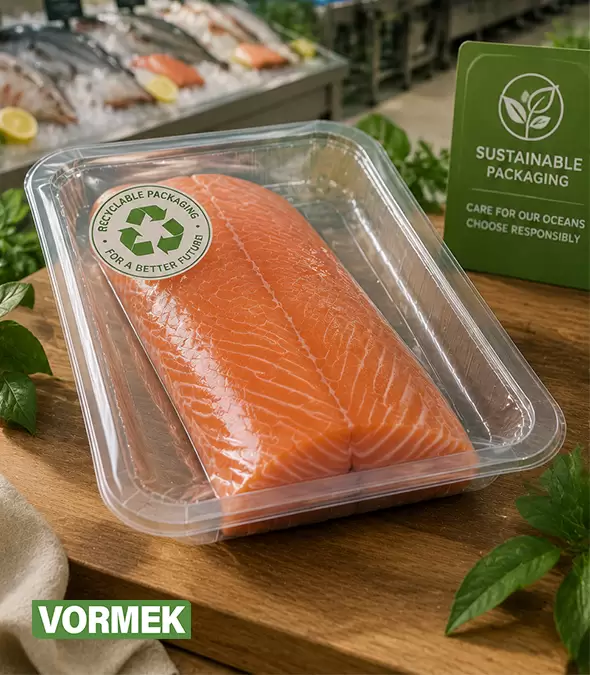
- Reduced food waste through longer shelf life
Importantly, extending shelf life often provides a greater environmental benefit than simply reducing packaging material, as preventing food waste significantly lowers the overall carbon footprint of dairy products.
Best Practices for Maximizing Cheese Shelf Life
Achieving maximum shelf life requires a holistic approach that integrates product formulation, hygienic manufacturing, packaging technology, and cold-chain management.
The following best practices are widely recognized across the dairy industry:
| Best Practice | Benefit |
|---|---|
| Validate gas mixtures for each cheese variety | Optimized microbial control |
| Use high-barrier multilayer films | Reduced oxygen and moisture transmission |
| Verify seal integrity routinely | Prevention of package leaks |
| Monitor residual oxygen levels | Consistent MAP performance |
| Maintain strict hygienic procedures | Reduced post-process contamination |
| Clean equipment using validated sanitation protocols | Improved food safety and operational reliability |
| Maintain uninterrupted refrigeration | Preservation of product quality |
| Conduct regular shelf-life validation studies | Data-driven packaging optimization |
Internal Resources for Dairy Processors
Manufacturers seeking to improve cheese packaging performance can further expand their knowledge through additional technical resources.
For broader packaging guidance across milk, yogurt, butter, cream, and cultured dairy products, visit the Dairy Industry Landing Page, which covers packaging technologies, processing challenges, and equipment recommendations for a wide range of dairy applications.
Processors interested in hygienic production systems can also explore the VORMEK Clean solution for advanced cleaning and sanitation practices, while those evaluating tray-sealing technology can learn more through the Smart Sealer product page.
These complementary resources help build a complete understanding of modern dairy packaging systems and support informed equipment selection for both current production needs and future expansion.
Conclusion
Extending cheese shelf life is not achieved through a single technology or packaging material. Instead, it results from the successful integration of product formulation, hygienic manufacturing, packaging science, and cold-chain management.
Every stage—from selecting the appropriate packaging film and validating Modified Atmosphere Packaging (MAP) gas mixtures to ensuring seal integrity and maintaining refrigeration—plays a critical role in preserving product quality. A weakness in any one of these areas can significantly reduce shelf life, regardless of the sophistication of the packaging equipment.
Different cheese categories require different packaging strategies. Hard cheeses benefit from high-barrier vacuum packaging that minimizes oxygen exposure and slows oxidative changes. Soft and fresh cheeses generally achieve better results with carefully optimized MAP systems that maintain moisture, protect delicate structures, and inhibit spoilage microorganisms without compromising appearance.
Modern packaging equipment further enhances performance by delivering consistent sealing parameters, accurate gas flushing, repeatable vacuum levels, and reliable production efficiency. Combined with validated sanitation practices, advanced tray sealing and thermoforming technologies enable dairy processors to reduce waste, improve product consistency, and confidently supply both domestic and international markets.
Ultimately, successful cheese packaging should be viewed not as a final production step, but as an essential component of product preservation and brand value. Investing in scientifically validated packaging solutions helps manufacturers improve food safety, increase consumer satisfaction, reduce distribution losses, and maximize the commercial potential of every cheese product they produce.
Practical Checklist for Dairy Processors
Before launching or optimizing a cheese packaging line, verify the following critical points:
| Checklist Item | Status |
|---|---|
| Cheese type correctly classified (hard, semi-hard, soft, or fresh) | □ |
| Packaging method selected based on product characteristics | □ |
| MAP gas mixture validated through shelf-life testing | □ |
| High-barrier packaging film selected | □ |
| Film compatibility with sealing equipment confirmed | □ |
| Seal integrity routinely tested | □ |
| Residual oxygen monitored after packaging | □ |
| Hygienic cleaning procedures validated | □ |
| Cold chain maintained from packaging to retail | □ |
| Shelf-life validation completed before commercial release | □ |
Completing this checklist helps minimize packaging failures while improving product consistency and long-term market performance.
Frequently Asked Questions (FAQ)
1. What is the best packaging method for extending cheese shelf life?
There is no universal solution. Vacuum packaging is generally preferred for hard and semi-hard cheeses, while Modified Atmosphere Packaging (MAP) is typically more suitable for soft, fresh, and retail-ready cheeses because it preserves structure and moisture while inhibiting spoilage microorganisms.
2. Does vacuum packaging always provide a longer shelf life than MAP?
Not necessarily. Although vacuum packaging removes oxygen effectively, it may deform delicate cheeses. MAP often achieves superior results for soft cheeses by balancing microbial control with product appearance and texture preservation.
3. Why is carbon dioxide used in cheese MAP?
Carbon dioxide has antimicrobial properties that suppress mold, yeast, and many spoilage bacteria. When properly balanced with nitrogen, it significantly extends refrigerated shelf life without requiring chemical preservatives.
4. Why is nitrogen included in MAP gas mixtures?
Nitrogen is an inert gas that displaces oxygen and prevents package collapse. Because it is poorly soluble in cheese, it helps maintain package volume and protects delicate products during storage and transportation.
5. How important is packaging film selection?
Packaging film is as important as the packaging machine itself. High-barrier multilayer films with low Oxygen Transmission Rate (OTR) and appropriate Water Vapor Transmission Rate (WVTR) are essential for maintaining product quality throughout storage.
6. Can poor sealing reduce shelf life?
Yes. Even microscopic seal defects allow oxygen and microorganisms to enter the package, accelerating spoilage. Routine seal integrity testing is therefore a fundamental part of every dairy quality assurance program.
7. What storage temperature is recommended for packaged cheese?
Most natural cheeses should be stored continuously between 2°C and 6°C, although individual products may require different validated conditions depending on formulation and regulatory requirements.
8. How does moisture control affect cheese quality?
Excessive moisture loss leads to dehydration, cracking, and weight reduction, while excessive condensation promotes microbial growth and negatively affects product appearance. Proper packaging films and optimized MAP conditions help maintain moisture equilibrium.
9. Can automated packaging equipment improve shelf life?
Yes. Automated tray sealers, thermoforming systems, and vacuum packaging machines deliver more consistent sealing pressure, temperature, vacuum levels, and gas composition than manual processes, improving package reliability and extending shelf life.
10. How can dairy processors further improve packaging performance?
Manufacturers should combine validated packaging equipment with high-quality barrier films, optimized MAP recipes, hygienic production practices, routine sanitation using solutions such as VORMEK Clean, and continuous shelf-life validation. Exploring additional guidance through the Dairy Industry Landing Page and evaluating advanced tray sealing solutions like Smart Sealer can further support long-term packaging performance.
Key Takeaways
- Select packaging technology according to cheese variety rather than applying a single solution to all products.
- Use validated MAP gas mixtures to balance microbial control, moisture retention, and product appearance.
- Choose high-barrier films with appropriate OTR and WVTR characteristics.
- Verify seal integrity and residual oxygen levels routinely.
- Maintain strict hygienic standards and validated sanitation protocols.
- Preserve an uninterrupted cold chain throughout distribution.
- Regularly validate shelf life under real commercial storage conditions.
- Integrate modern packaging equipment with preventive maintenance and quality assurance programs for consistent long-term performance.
Explore More Dairy Packaging Solutions
Whether packaging artisanal cheeses or operating a high-capacity industrial dairy facility, optimizing shelf life requires a comprehensive approach that combines food science, engineering expertise, and reliable packaging technology.
For additional guidance, explore the Dairy Industry Landing Page to learn more about packaging solutions for a wide range of dairy products. You can also discover how Smart Sealer tray sealing systems support consistent Modified Atmosphere Packaging performance and how VORMEK Clean helps maintain hygienic production environments that protect product quality and operational efficiency.
By implementing scientifically validated packaging practices and investing in the right technologies, dairy processors can reduce food waste, strengthen consumer confidence, improve operational efficiency, and consistently deliver high-quality cheese products with maximum shelf life.