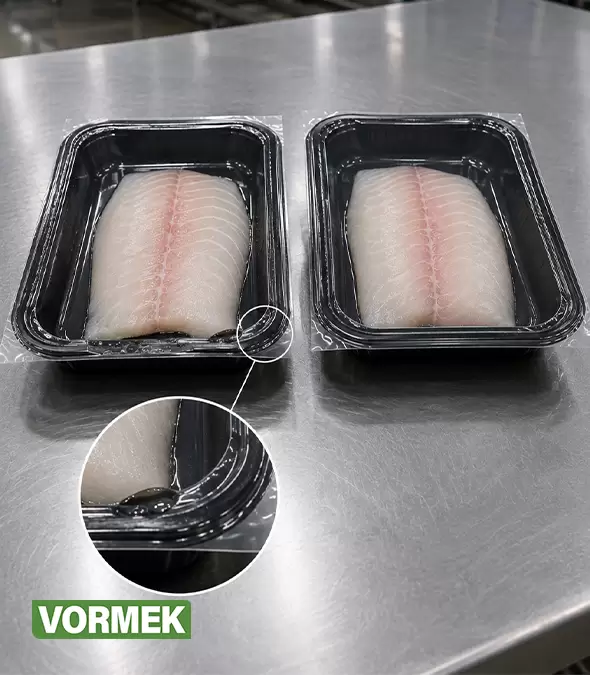
Introduction: Why Seafood Packaging Machine Maintenance Matters
Seafood packaging equipment operates under unusually demanding conditions. Moisture, salt, fish oils, proteins, refrigeration and frequent washdown can accelerate contamination, corrosion and component wear. Without structured preventive maintenance, small changes in machine condition can develop into seal failures, unstable vacuum performance, higher reject rates and unplanned downtime.
Maintenance is especially important for vacuum and modified atmosphere packaging (MAP), where machine performance directly affects evacuation, gas replacement and seal consistency. A machine may still complete its cycle while showing early deterioration through longer vacuum times, unstable film tracking, recurring alarms or changes in seal quality.
An effective seafood packaging machine maintenance programme should therefore combine daily operational checks, weekly sanitation inspections, monthly mechanical inspections and performance monitoring.
The exact intervals must always follow the equipment manufacturer’s recommendations. Machines operating multiple shifts or undergoing intensive washdown may require more frequent attention.
Processors comparing packaging technologies for fish, fillets, shellfish and other refrigerated products can use the Seafood & Fish industry landing page for application-specific information. For automated tray sealing and MAP applications, the Smart Sealer product page provides further equipment information.
Seafood Packaging Machine Maintenance Schedule
| Interval | Main Focus | Objective |
|---|---|---|
| Daily | Seal, film, vacuum, sensors | Prevent production faults |
| Weekly | Cleaning, tooling, drainage | Control contamination |
| Monthly | Mechanical and system condition | Detect developing wear |
| As required | Technical service | Prevent major downtime |
Daily Checks Before Startup
A consistent pre-start inspection is the fastest way to detect problems before seafood enters the packaging line.
1. Check for Moisture and Product Residue
Inspect the machine for standing water, fish residue, scales, oils, film fragments and cleaning chemical residue.
Pay particular attention to areas around sensors, tooling, conveyors and electrical components. Recurring standing water should be investigated rather than simply removed. Poor drainage, incorrect levelling or unsuitable washdown practices may be responsible.
2. Inspect the Sealing Area
Check sealing surfaces and tray-contact areas for:
- seafood residue;
- moisture;
- film fragments;
- surface damage;
- worn PTFE surfaces where applicable.
For wet seafood, purge or marinade on the tray flange can create channels through the seal. If flange contamination occurs repeatedly, review product loading as well as machine condition.
3. Check Gaskets and Vacuum Seals
Inspect accessible gaskets for cracking, cuts, flattening, hardening or deformation.
Minor gasket deterioration can increase evacuation time or create inconsistent sealing pressure before complete failure occurs. Record changes so replacement can be planned rather than performed after a breakdown.
4. Verify Film Tracking
Confirm that the film roll is correctly installed and centred. Film should move smoothly without excessive wrinkles, folding or lateral drift.
If previously stable film suddenly requires frequent correction, inspect rollers, guides, tensioning components and registration sensors before changing validated machine parameters.
5. Check Vacuum Performance
For vacuum and MAP seafood packaging machines, monitor:
- unusual pump noise;
- visible oil leakage;
- oil condition where applicable;
- damaged hoses;
- loose connections;
- unstable vacuum readings;
- increasing evacuation time.
Vacuum time is a useful maintenance KPI. A gradual increase from the normal baseline may indicate leakage, pump deterioration, valve problems or restrictions in the vacuum circuit.
6. Inspect the Pneumatic System
Verify that compressed-air pressure remains within the machine manufacturer’s specified range.
Check filters, regulators and moisture separators for contamination or water accumulation. Repeated moisture may indicate a wider compressed-air treatment problem rather than a fault within the packaging machine itself.
7. Check Sensors and Safety Systems
Inspect accessible tray sensors, film photocells, position sensors and safety switches.
Condensation, seafood oils and cleaning residue can interfere with sensor operation.
Guards, interlocks and emergency-stop systems should also function correctly. Never bypass a safety device to maintain production.
8. Confirm Packaging Parameters
Before startup, confirm the correct production recipe, including relevant:
- sealing temperature;
- sealing time;
- pressure;
- vacuum level;
- MAP gas settings.
This is particularly important when the same line handles different tray, film or seafood formats.
9. Produce Test Packs Before Full Production
Run several test cycles and inspect packages for seal continuity, wrinkles, film position, cutting accuracy, tray deformation and vacuum performance.
For MAP products, verification should follow the processor’s validated quality-control programme and may include leak testing or residual gas measurement where required.
Daily Seafood Packaging Machine Checklist
| Check | Normal Condition | Warning Sign |
|---|---|---|
| Seal area | Clean | Residue or damage |
| Gaskets | Flexible and intact | Cracking or deformation |
| Film | Centred and stable | Wrinkles or drift |
| Vacuum | Consistent with baseline | Longer evacuation |
| Pneumatics | Stable pressure | Leakage or moisture |
| Sensors | Responsive | Intermittent detection |
| Safety systems | Operational | Fault or bypass |
| Test packs | Consistent | Seal variation |
The most important daily maintenance principle is to record deviations, not only failures. A small change in cycle time, sound, vacuum performance or seal appearance may provide the earliest warning of developing machine deterioration.
Weekly Cleaning & Sanitation Tasks
Weekly maintenance should go beyond routine production cleaning. In seafood facilities, proteins, oils, salt, scales and moisture can accumulate around tooling, conveyors and film-handling components, creating both hygienic and mechanical problems.
Cleaning procedures must follow the machine manufacturer’s instructions and the facility’s validated sanitation programme. Chemicals, concentrations and water temperatures should also be compatible with machine materials.
1. Deep-Clean the Sealing Tool
The sealing station is a critical area because contamination can directly affect package integrity.
After safely isolating the machine, inspect and clean accessible:
- sealing-tool edges;
- tray locating areas;
- gasket channels;
- film-contact surfaces;
- corners and recesses.
Fish proteins and oils can form deposits that become difficult to remove after repeated exposure to sealing temperatures. Residue can also prevent trays from seating correctly or interfere with uniform sealing pressure.
Where tooling is removable, follow the manufacturer’s procedure for disassembly, cleaning and reinstallation.
2. Inspect Sealing and Vacuum Gaskets
After cleaning, examine gaskets for:
- cracks or cuts;
- compression set;
- hardening;
- swelling;
- permanent deformation.
Gasket deterioration is particularly important in vacuum and MAP equipment. A small leak may not immediately stop production but can gradually increase evacuation time or reduce process consistency.
Replace worn components according to the manufacturer’s preventive-maintenance recommendations rather than waiting for complete failure.
3. Clean Film Rollers and Guides
Inspect accessible rollers, guides, tensioning components and registration sensors for film fragments, residue and contamination.
Rollers should rotate freely and guides should remain aligned.
If film tracking suddenly becomes unstable, inspect the mechanical film path before repeatedly changing machine settings. Parameter adjustments should not be used to hide mechanical deterioration.
4. Clean Conveyors and Product-Transfer Areas
Seafood fragments and liquids can accumulate around conveyor belts, guide rails and transfer points.
Pay particular attention to interfaces and areas beneath accessible conveyor components, where product residue and moisture may remain after routine cleaning.
After reassembly, verify conveyor alignment, movement and guarding before returning the machine to production.
5. Inspect Drainage and Wet Areas
Check for standing water around tooling, frames, conveyor supports and machine feet.
Recurring water accumulation may indicate blocked drainage, incorrect levelling, damaged seals or inappropriate washdown practices.
This is particularly important in seafood environments because persistent moisture and chloride exposure can increase corrosion risk, even on stainless-steel equipment.
6. Check Pneumatic and Vacuum Connections
Inspect pneumatic filters and moisture separators for water accumulation. Also check accessible vacuum hoses, tubing and fittings for cracks, abrasion, deformation or loose connections.
A small vacuum leak can increase evacuation time without producing an immediate machine failure.
Repeated moisture in the pneumatic system may indicate that the facility’s compressed-air treatment requires attention.
7. Clean and Test Sensors
Condensation, detergent residue and seafood oils can interfere with sensors.
Clean accessible sensor surfaces using approved methods and check for correct operation after sanitation.
Intermittent tray detection, film-registration errors or unexplained cycle interruptions may indicate contamination, misalignment or sensor deterioration.
8. Protect Electrical Components During Washdown
Stainless-steel construction does not mean every machine component can tolerate high-pressure washing.
Electrical enclosures, HMI panels, motors, connectors and sensors have specific ingress-protection limitations. Follow the manufacturer’s washdown instructions and inspect for condensation, damaged seals or water ingress after cleaning.
Electrical enclosures should only be opened by authorised personnel.
9. Verify Cleaning Chemical Compatibility
Cleaning chemicals should be compatible with stainless steel, plastics, elastomers, conveyor materials and other machine components.
Incorrect concentration, excessive contact time or inadequate rinsing can accelerate component deterioration.
Sanitation, quality and maintenance teams should therefore coordinate chemical selection and cleaning procedures.
Weekly Seafood Packaging Machine Cleaning Checklist
| Component | Weekly Task | Warning Sign |
|---|---|---|
| Seal tooling | Deep-clean | Residue or damage |
| Gaskets | Inspect | Cracks or deformation |
| Film system | Clean rollers/guides | Tracking problems |
| Conveyors | Detailed sanitation | Trapped product |
| Drainage | Inspect | Standing water |
| Pneumatics | Check filters | Repeated moisture |
| Vacuum circuit | Check hoses/fittings | Leakage |
| Sensors | Clean and test | Detection errors |
Cleaning, Sanitation and Maintenance Are Different
Cleaning removes product residue and other soils. Sanitation reduces microbial contamination using a validated procedure. Maintenance keeps mechanical, pneumatic, vacuum and control systems operating correctly.
In seafood packaging, these activities overlap. Residue around a gasket may begin as a cleaning issue, become a sanitation concern and eventually damage the gasket enough to create a vacuum leak.
After weekly sanitation, confirm that components are correctly reassembled, guards are restored and test packs meet the required standard before releasing the line back to production.
Monthly Mechanical Inspections
Monthly seafood packaging machine maintenance should identify gradual mechanical, vacuum, pneumatic and sealing-system deterioration before it causes production failure.
Technicians should compare current machine performance with established baselines rather than simply confirming that the equipment still operates. Inspection intervals should always follow the manufacturer’s recommendations and may need to be shorter on high-volume, multi-shift seafood lines.
1. Inspect Bearings and Moving Components
Check accessible bearings, shafts, guides and linkages for:
- excessive play;
- abnormal noise;
- vibration;
- corrosion;
- irregular movement.
Changes in sound or vibration can indicate developing wear before a component fails.
Lubrication must follow the manufacturer’s specified type, quantity and interval. Where applicable, use suitable food-grade lubricants and avoid over-lubrication.
2. Check Belts, Chains and Drives
Inspect drive components for incorrect tension, cracking, abnormal wear, misalignment and loose fasteners.
If a belt or chain repeatedly requires adjustment, investigate the cause instead of continually retensioning it.
Gearboxes, motors and servo-driven mechanisms should also be checked for abnormal noise or movement according to the manufacturer’s maintenance procedures.
3. Inspect the Sealing System
Check relevant sealing components, including:
- heating elements;
- temperature sensors;
- sealing plates;
- gaskets;
- PTFE surfaces where applicable;
- tooling alignment.
If previously reliable tray and film combinations begin producing inconsistent seals, investigate the machine before changing validated parameters.
Uneven heating, gasket deterioration, tooling wear or incorrect alignment can produce defects that may initially appear to be packaging-material problems.
4. Verify Temperature Performance
Where required by the maintenance or quality programme, verify sealing temperature using an appropriate calibrated method.
Investigate unstable readings, excessive overshoot, unusually slow heating or inconsistent sealing at unchanged settings.
Continually increasing sealing temperature to compensate for weak seals can mask heater, sensor or tooling problems and may eventually cause film distortion or tray deformation.
5. Evaluate Vacuum System Performance
For vacuum and MAP seafood packaging machines, evaluate both the pump and complete vacuum circuit.
Depending on equipment design, check:
- oil condition and level;
- filters;
- pump noise;
- operating temperature;
- evacuation time;
- achievable vacuum level.
Trend evacuation time against the machine’s normal baseline.
For example:
Baseline: 4.2 seconds → Current: 5.0 seconds
The machine may still reach its target, but an approximately 19% increase warrants investigation.
Possible causes include pump deterioration, contaminated oil, gasket leakage, damaged hoses, valve problems or restrictions in the vacuum circuit.
Do not automatically assume the pump is responsible. A relatively small leak elsewhere in the system can produce similar symptoms.
6. Inspect Pneumatic Components
Check accessible cylinders, valves, tubing, fittings, filters and regulators.
Listen for air leakage and observe actuator movement. Slow or irregular movement can indicate pressure problems, contamination, valve malfunction or component wear.
Even minor compressed-air leaks increase energy consumption and can eventually affect machine performance.
7. Check Tool Alignment and Fasteners
Repeated machine cycling can gradually loosen fasteners or affect tooling alignment.
Poor alignment on a seafood tray sealer can cause:
- uneven seals;
- damaged trays;
- inaccurate film cutting;
- accelerated tooling wear.
Increasing reject rates should therefore be shared with maintenance personnel rather than treated only as a quality-control issue.
8. Inspect Electrical Condition and Review Alarms
Electrical inspection must be performed by authorised personnel.
In wet seafood environments, check appropriate components for damaged cables, loose connections, condensation, corrosion or overheating.
Machine fault history should also be reviewed for repeated:
- vacuum timeouts;
- temperature deviations;
- pressure faults;
- sensor errors;
- film-position alarms;
- drive faults.
A single alarm may be incidental. Repeated occurrences indicate a trend requiring investigation.
Monthly Seafood Packaging Machine Maintenance Checklist
| System | Check | Warning Sign |
|---|---|---|
| Bearings | Wear and movement | Noise or vibration |
| Drives | Tension and alignment | Repeated adjustment |
| Sealing | Tool and heater condition | Uneven seals |
| Temperature | Stability | Drift or overshoot |
| Vacuum | Pump and evacuation | Longer cycle |
| Pneumatics | Cylinders and valves | Leakage |
| Tooling | Alignment | Tray/film damage |
| Electrical | Connections and enclosure | Moisture/overheating |
| Controls | Alarm history | Recurring faults |
Track Maintenance KPIs Before Failure
Maintenance records become more useful when measurable performance indicators are tracked over time.
Useful KPIs include:
- vacuum evacuation time;
- seal reject rate;
- film-tracking faults;
- unplanned stops;
- recurring alarms.
A typical deterioration pattern is:
Stable Performance → Small Deviation → Repeated Deviation → Quality Loss → Downtime
Preventive maintenance should intervene during the first two deviation stages.
For seafood processors handling short-shelf-life products, this is particularly important because an unexpected packaging-line shutdown can quickly create a bottleneck while product continues arriving from upstream processing.
The objective is therefore not simply to repair failed components, but to detect performance deterioration early enough to schedule corrective action.
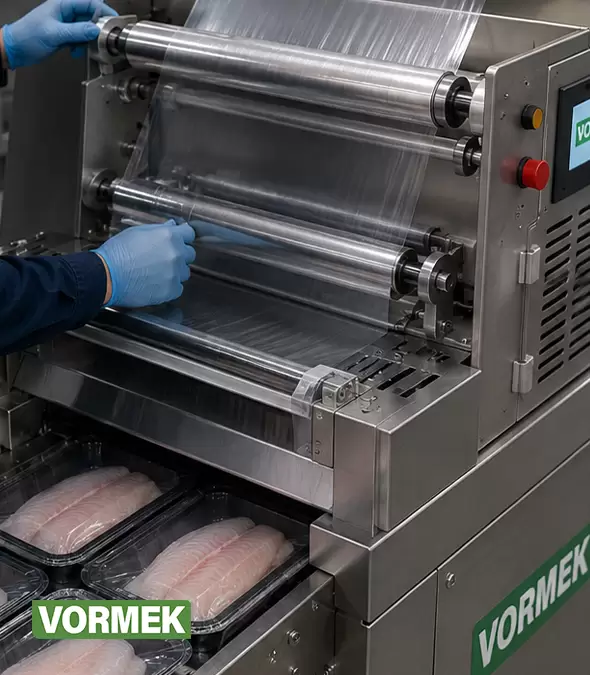
When to Call for Service
Routine preventive maintenance can resolve many seafood packaging machine problems, but persistent, safety-related or technically complex faults require qualified service personnel.
Continuing production with a developing fault can turn a minor problem into damaged tooling, rejected packages or extended downtime.
Declining Vacuum Performance
If evacuation time continues increasing after accessible gaskets, hoses and connections have been checked, further diagnosis may be necessary.
Possible causes include:
- vacuum pump deterioration;
- internal leakage;
- valve malfunction;
- damaged seals;
- vacuum-circuit restrictions;
- control-system faults.
Professional service is particularly important when a vacuum or MAP machine can no longer consistently achieve its validated vacuum level or normal cycle performance.
Persistent Seal Failures
First check tray-flange cleanliness, film condition, temperature, pressure, dwell time and visible tooling condition.
If seal defects continue despite correct materials and validated parameters, investigate potential heater problems, temperature sensor errors, uneven pressure, tooling wear or misalignment.
Do not continually increase sealing temperature to compensate for an unresolved fault. This may mask the problem while increasing cycle time or causing film and tray deformation.
Abnormal Noise, Vibration or Movement
New grinding, knocking, scraping, excessive vibration or irregular machine movement should be investigated promptly.
Potential causes include worn bearings, guides, shafts, drives, chains or tooling.
Early intervention can allow repairs during planned downtime before secondary damage occurs.
Repeated Electrical or Control Faults
Recurring drive, sensor, temperature or safety-system alarms require qualified investigation.
Restarting the machine may temporarily clear an alarm, but repeated faults indicate an unresolved problem.
Electrical overheating, recurring safety-circuit faults or unexplained control interruptions should never be treated as normal operating conditions.
Increasing Packaging Reject Rates
Quality data can provide an early warning of machine deterioration.
If seal defects, wrinkles, cutting errors or vacuum inconsistencies increase while the product, tray and film remain unchanged, investigate the equipment.
A rising reject rate may indicate tooling wear, temperature instability, film-drive problems, pressure variation or alignment errors.
The important indicator is not a universal reject percentage, but a sustained deviation from the processor’s established baseline.
Stop Production When Safety Is Affected
Stop the machine and involve qualified personnel when there is evidence of:
- damaged safety interlocks;
- exposed electrical components;
- smoke or burning odour;
- severe overheating;
- uncontrolled movement;
- major mechanical damage;
- repeated safety-system failure.
Never bypass a safety device to maintain production.
How to Reduce Seafood Packaging Machine Downtime
Effective maintenance should be managed as a reliability programme rather than a series of emergency repairs.
Record vacuum cycle times, seal rejects, recurring alarms, replaced components, unplanned stops and service interventions. Historical data helps maintenance teams identify gradual deterioration and distinguish isolated incidents from recurring faults.
Critical spare parts should also be identified according to machine configuration, failure impact and supplier lead time. Keeping appropriate wear components available can significantly reduce downtime when replacement becomes necessary.
Operator training is equally important. Operators interact with packaging equipment throughout every shift and are often the first to notice changes in machine sound, film movement, cycle time or seal appearance.
For processors planning new seafood packaging capacity, maintainability should be considered alongside output. Hygienic accessibility, washdown suitability, tooling access, spare-parts availability and technical support all affect long-term line reliability.
Processors can explore application-specific solutions through the Seafood & Fish industry landing page. Information about automated tray sealing and MAP configurations can also be connected internally through the Smart Sealer product page.
Conclusion: Preventive Maintenance Protects Seafood Packaging Performance
Seafood and fish packaging equipment faces continuous exposure to moisture, salt, proteins, oils and sanitation processes. A structured maintenance programme helps control the resulting contamination, wear and performance deterioration.
The maintenance strategy can be summarised simply:
Daily: inspect sealing, film, vacuum, pneumatics, sensors and safety systems.
Weekly: deep-clean tooling and conveyors and inspect gaskets, drainage, sensors and vacuum connections.
Monthly: evaluate drives, sealing components, temperature control, vacuum performance, pneumatics, tooling and fault history.
As required: involve qualified technicians when faults become persistent, complex or safety-related.
Most importantly, monitor trends. Longer vacuum cycles, rising reject rates, repeated alarms or abnormal vibration can indicate deterioration before the machine stops.
For seafood processors, preventive maintenance supports more than equipment reliability. It contributes to consistent seal integrity, hygienic operation, lower reject rates and predictable packaging-line availability.
The goal is straightforward: detect deterioration while it is still a maintenance task, not after it becomes production downtime.
Frequently Asked Questions About Seafood Packaging Machine Maintenance
How often should a seafood packaging machine be maintained?
Basic inspections should normally be performed before production, while deeper cleaning and mechanical inspections should follow the equipment manufacturer’s maintenance schedule and the processor’s sanitation programme. Multi-shift lines may require shorter intervals.
What should be checked daily on a fish packaging machine?
Daily checks should cover sealing surfaces, gaskets, film tracking, vacuum performance, pneumatic pressure, sensors, safety devices and test-pack quality.
Why does vacuum performance decrease on seafood packaging machines?
Possible causes include leaking gaskets, damaged hoses, loose fittings, valve problems, restrictions, pump deterioration or changes in vacuum-pump oil condition. Comparing evacuation time with historical baseline data helps identify gradual performance loss.
Why does a seafood tray sealer produce weak seals?
Common causes include contaminated tray flanges, incorrect parameters, incompatible packaging materials, damaged gaskets, uneven sealing pressure, heater problems or tooling wear.
Can seafood packaging machines be pressure-washed?
Only when the machine and relevant components are specifically designed and rated for the intended washdown method. Stainless-steel construction alone does not mean every component can tolerate high-pressure water.
What are the signs that a seafood packaging machine needs service?
Increasing vacuum time, repeated alarms, abnormal vibration, unstable sealing temperature, persistent air leakage, recurring sensor faults and increasing reject rates are common warning signs.
How does preventive maintenance reduce packaging machine downtime?
Preventive maintenance identifies wear, contamination, leakage and performance drift before major failure. Tracking machine KPIs also allows corrective work to be scheduled during planned downtime.
Is maintenance different for MAP seafood packaging machines?
Yes. MAP equipment requires additional attention to vacuum integrity, gas delivery, valves, sealing performance and process consistency because repeatable evacuation, gas replacement and sealing are essential for atmosphere control.
Final Seafood Packaging Machine Maintenance Checklist
| Frequency | Essential Actions |
|---|---|
| Daily | Seal, film, vacuum, pneumatics, sensors, safety |
| Weekly | Deep cleaning, gaskets, drainage, vacuum connections |
| Monthly | Drives, tooling, temperature, vacuum, electrical systems |
| Continuous | Track rejects, alarms and cycle-time changes |
| As required | Schedule qualified technical service |
A disciplined maintenance programme turns seafood packaging machine maintenance from a reactive repair activity into a practical strategy for protecting uptime, packaging quality and production efficiency.